Shilajit vs. CoQ10: 5 Differences (and the Fat Detail That Changes How You Take One)
Short answer: Shilajit is a whole, mineral-rich resin that forms in mountain rock, while CoQ10 (coenzyme Q10) is a single fat-soluble compound that your body makes on its own and that supplement makers produce in a lab. They're different kinds of products with different jobs on a shelf, so one doesn't replace the other. Many people take both, and the main practical difference is how: CoQ10 labels usually suggest taking it with a meal, while shilajit resin dissolves in warm water.
You already know the supplement aisle is full of things that sound alike and get recommended in the same breath. You've probably seen shilajit and CoQ10 sitting in the same "morning stack" videos and wondered whether they're doing the same thing. Good instinct to ask. They aren't, and the differences are easy to see once you lay them side by side.
Stick around for the founder's tip at the bottom; there's a little thank-you waiting there too. No. 4 is the one most people skip.
1. Where each one comes from
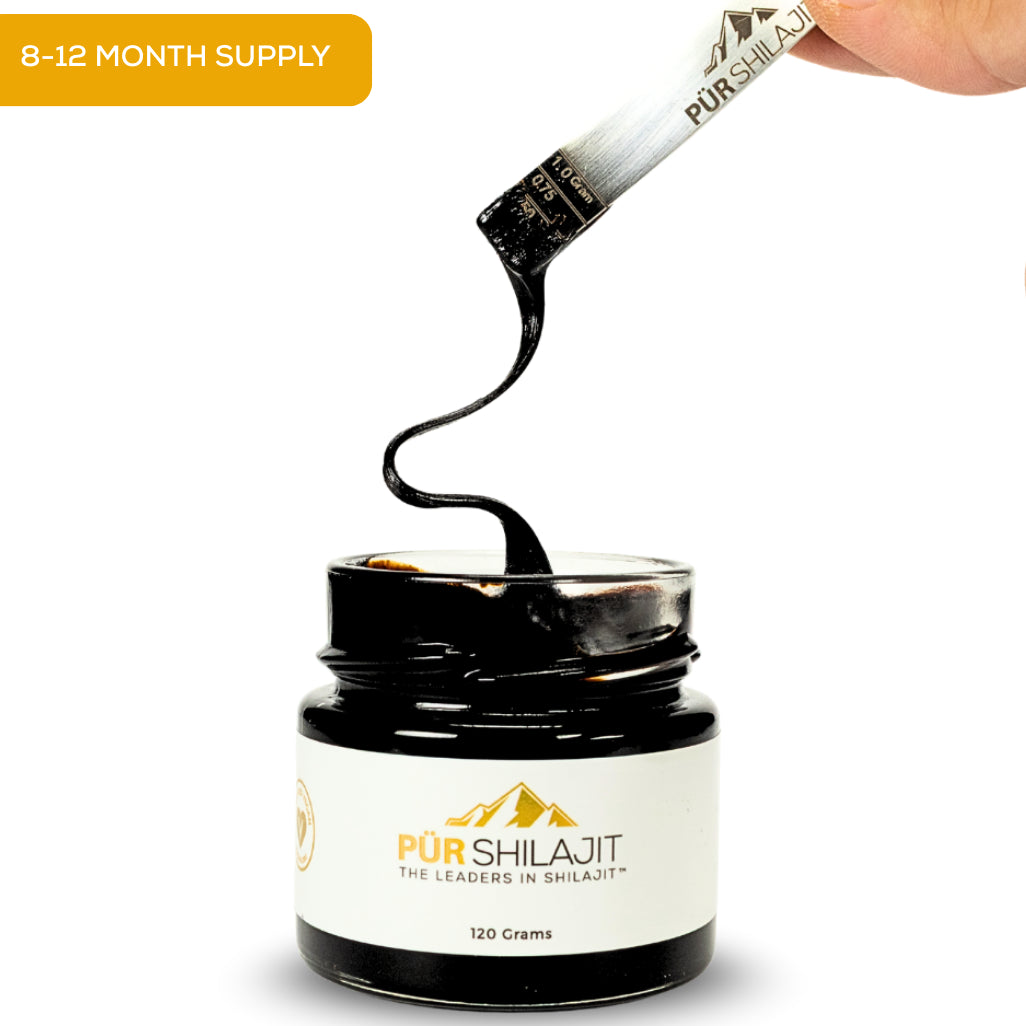
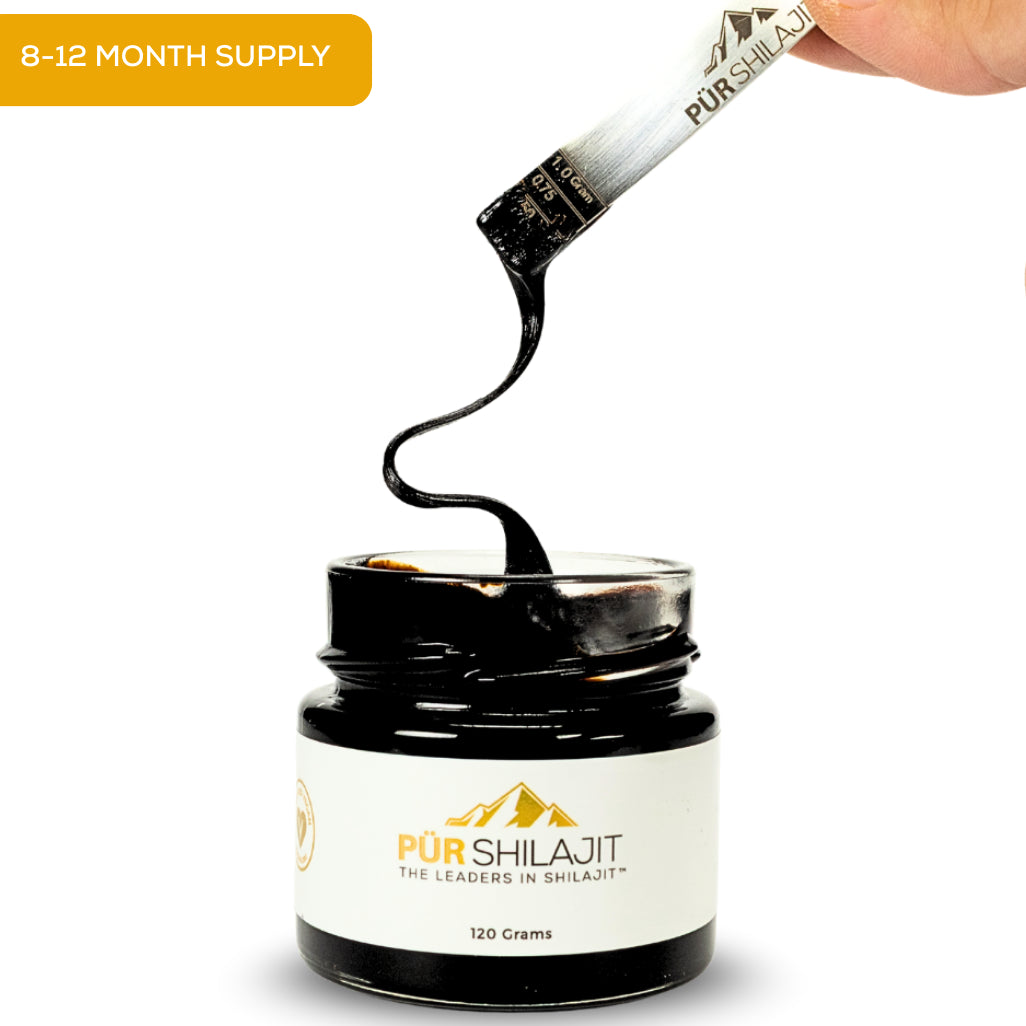
Shilajit is a natural resin that slowly seeps out of high mountain rock, formed over long stretches of time from compressed plant matter and minerals. Ours is hand-harvested in the Altai Mountains at around 14,000 feet.
CoQ10 is a compound your own cells already produce, and it shows up in foods like organ meats and fatty fish. The CoQ10 in a supplement bottle is manufactured, commonly through fermentation. One is gathered from a mountain. The other is made in a facility.
2. A whole substance vs. a single molecule
CoQ10 is one isolated compound. What's on the label is what's in the softgel: a set amount of CoQ10, per the label, usually suspended in an oil.
Shilajit is the opposite. It's a complex, whole substance with fulvic acid and 84+ trace minerals in it. You don't take shilajit for one molecule; you take it as nature built it. That's also why sourcing and testing matter so much more for shilajit. But that's only half of it.
3. The forms you'll see on the label
CoQ10 labels usually name one of two forms: ubiquinone or ubiquinol. They're two states of the same compound, and the label should tell you which one you're buying and how many milligrams are in each softgel.
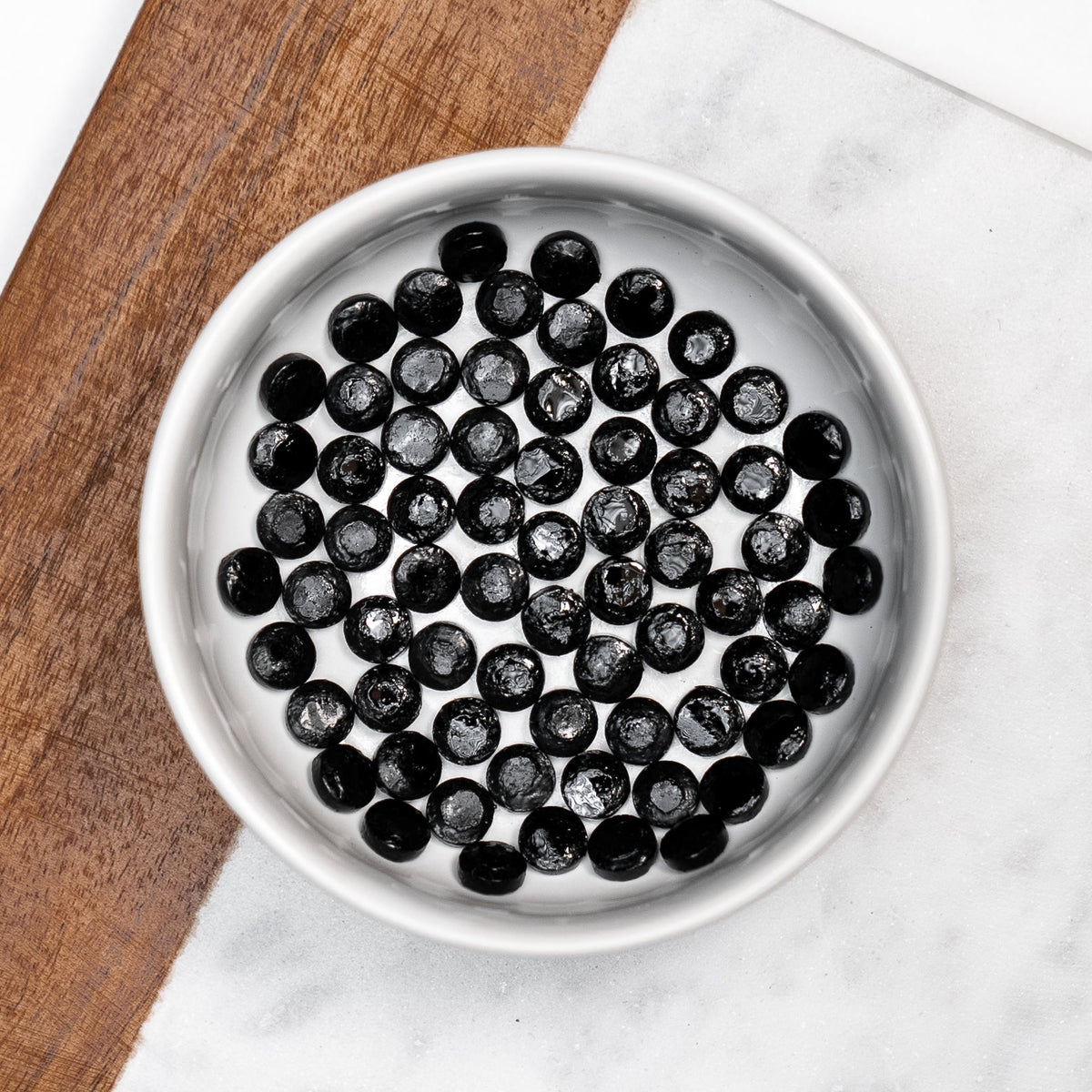
Shilajit comes as resin (the original form), as pressed tablets, or in capsules. The real question on a shilajit label isn't the format; it's whether the jar contains only shilajit. Ours is one ingredient: no molasses, no water, nothing added.
| Pür Shilajit Resin | CoQ10 | |
|---|---|---|
| What it is | Natural mountain resin | Single fat-soluble compound |
| Source | Hand-harvested in the Altai, ~14,000 ft | Manufactured, commonly by fermentation |
| Common forms | Resin, tablets, capsules | Softgels, capsules (ubiquinone or ubiquinol) |
| How it's taken | 300–500 mg dissolved in warm water or under the tongue | Per the label, usually with a meal |
| What to verify | Single source, one ingredient, lab report by lot | Which form, mg per softgel, carrier oil |
4. How you take each one (the fat detail)
Here's the one most people skip. CoQ10 is fat-soluble, which is why so many labels suggest taking it with a meal that includes some fat, and why it usually comes suspended in oil inside a softgel. Swallowing it with black coffee on an empty stomach isn't what most labels describe.
Shilajit works the other way. A pea-sized serving of resin, about 300 to 500 mg, dissolves in warm water, tea or coffee. Tablets are simpler still: two a day, binder-free. So if you take both, they don't need to happen at the same moment. Resin in your morning mug, CoQ10 with breakfast.
5. What to check before you buy
For CoQ10, the checks are on the bottle: which form it is, how many milligrams per softgel, and what oil it's in.
For shilajit, the label alone can't tell you enough. Look for a single named source, a one-ingredient list, and an independent lab report you can match to your jar's lot number. Our 8-point scorecard walks through every check.
The Pür proof
We named the company Pür for a reason. Every jar is single-source resin from the Altai Mountains, hand-harvested around 14,000 feet and never below 13,500. It's sun-dried for 70+ days and never purified with heat. One ingredient, nothing added.
Every batch is tested by Eurofins, an independent ISO 17025-accredited lab network, and we publish the reports by lot number on our lab results page. It's California Prop 65 compliant and passes the 30-second upside-down drip test. Family-owned since 2019, trusted by 155,000+ customers, and backed by a 90-day money-back guarantee. As pür as pure gets.
The 120 g resin jar is $209, about $0.57 a day. If you'd rather skip the spoon, our binder-free tablets start at $44.99.
Quick questions
Can you take shilajit and CoQ10 together? Many people take both as part of the same routine. They're different products, and there's no need to take them at the exact same time. If you take prescription medication, check with your doctor before adding either one.
Is CoQ10 found in shilajit? Shilajit isn't sold or labeled as a CoQ10 source. It's valued as a whole resin with fulvic acid and trace minerals, so if CoQ10 specifically is what you want, that comes from its own supplement.
Should I take shilajit with food like CoQ10? It isn't required. Most people dissolve 300 to 500 mg of resin in warm water or tea, often in the morning. Take it at whatever time you'll remember daily.
The founder's tip
I hear from a lot of people who take a few things in the morning and miss half of them by Wednesday. Here's what works in my house: the night before, I set the resin jar and The Spoon right next to my coffee mug. If something else needs to go with breakfast, it sits by the plate, not in a cabinet. Things you can see get taken; things in a drawer get forgotten. And dissolve the resin in a splash of warm water first, then pour the rest of your drink over it. No sticky spoon, no clumps.
— Jason Reese, founder
A thank-you for reading this far: add any resin jar and The Spoon to your cart and use code RESINREPORT — the spoon's on me.
These statements have not been evaluated by the Food and Drug Administration. This product is not intended to diagnose, treat, cure, or prevent any disease. Talk to your doctor before starting any supplement if you're pregnant, nursing, or under medical care.

Written by Jason Reese