Single-Source vs. Blended Shilajit: 4 Ways to Tell Which One You're Buying
Short answer: most shilajit on the market is blended — resin bought from brokers, often from multiple regions and harvests, combined to hit a price. Single-source shilajit comes from one range, one harvest method, one supply chain. The difference isn't romance; it's what a lab report can prove. A test on a blend describes that one mixing batch — the next shipment can come from somewhere else entirely. A test on a single source describes a supply chain that doesn't change underneath you.
You already know a label can say "Himalayan" and tell you almost nothing. Four checks let you work out in a minute which kind of jar you're holding. Check 3 is the one most people skip.
Stick around for the founder's tip at the bottom; there's a little thank-you waiting there too.
What “single source” actually means
It means every jar traces to the same origin: for us, the Altai Mountains — hand-harvested around 14,000 feet, sun-dried for 70+ days, never heat-purified, never cut with molasses or water. One ingredient from one place, every time. That's the whole supply chain, and it's short enough to print on a jar.
Single source vs. blended, side by side
| Single source | Blended / broker-sourced | |
|---|---|---|
| Origin | One named range, stated elevation | Often multiple regions; label says “Himalayan” or nothing |
| Consistency between jars | Same rock, same method, harvest after harvest | Depends on what the broker had that month |
| What a lab report proves | A stable supply chain — this batch and the ones like it | That one mixing batch only |
| Accountability | One party answers for the whole chain | Diffuse — the seller can blame the broker |
Why blending is so common
Because it's how you scale fast and hit a price point. Brokered resin is available in volume, on demand, at whatever grade the budget allows — and once resins are melted together, no customer can tell where any of it came from. Blending isn't automatically dishonest. But it removes the thing that makes testing meaningful: a stable answer to “where does this come from?”
How to tell which one you're buying
- Look for a named range AND a stated elevation. “Himalayan” alone names a 1,500-mile mountain system, not a source.
- Look for a harvest method. Hand-harvested at altitude, or purchased? A brand that knows its mountain says so.
- Match the lot number. Every jar should carry a lot number tied to a published lab report. If reports exist but lots don't match jars, you're looking at paperwork, not proof.
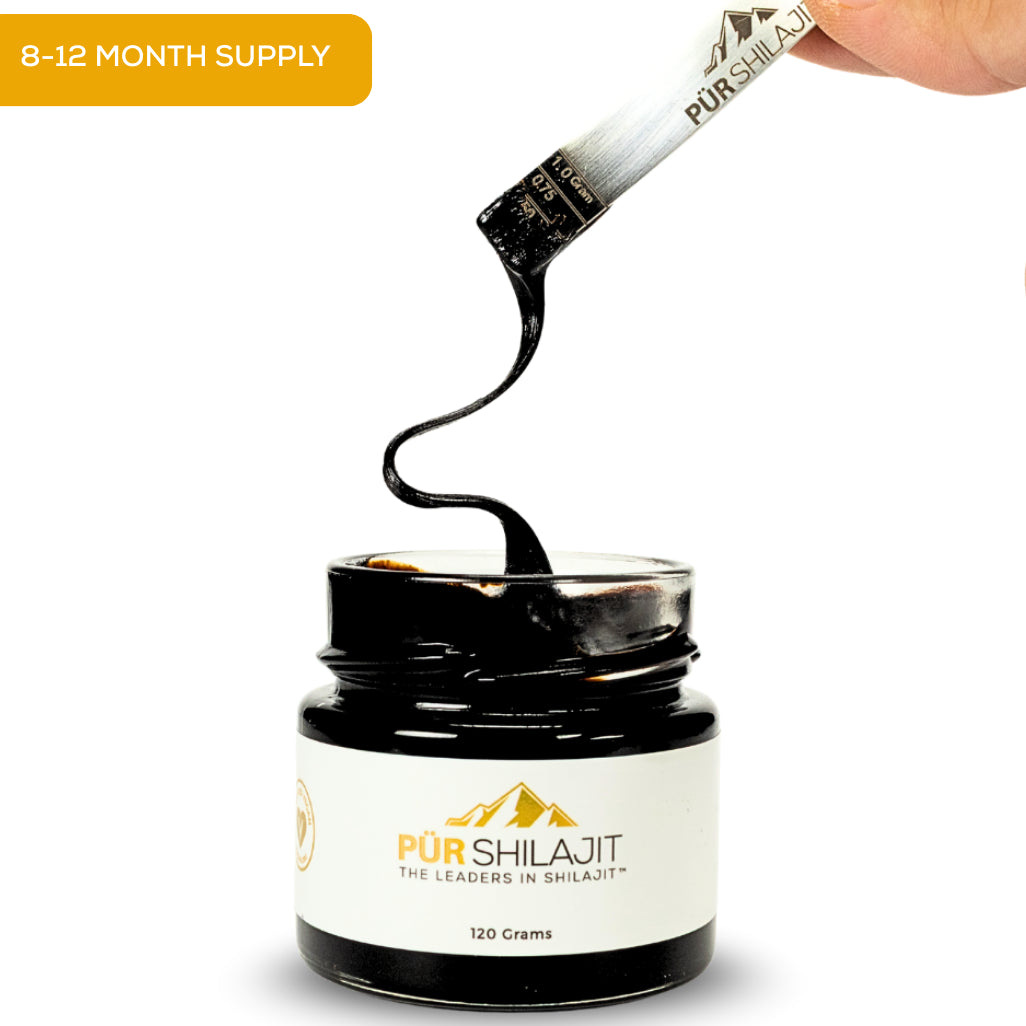
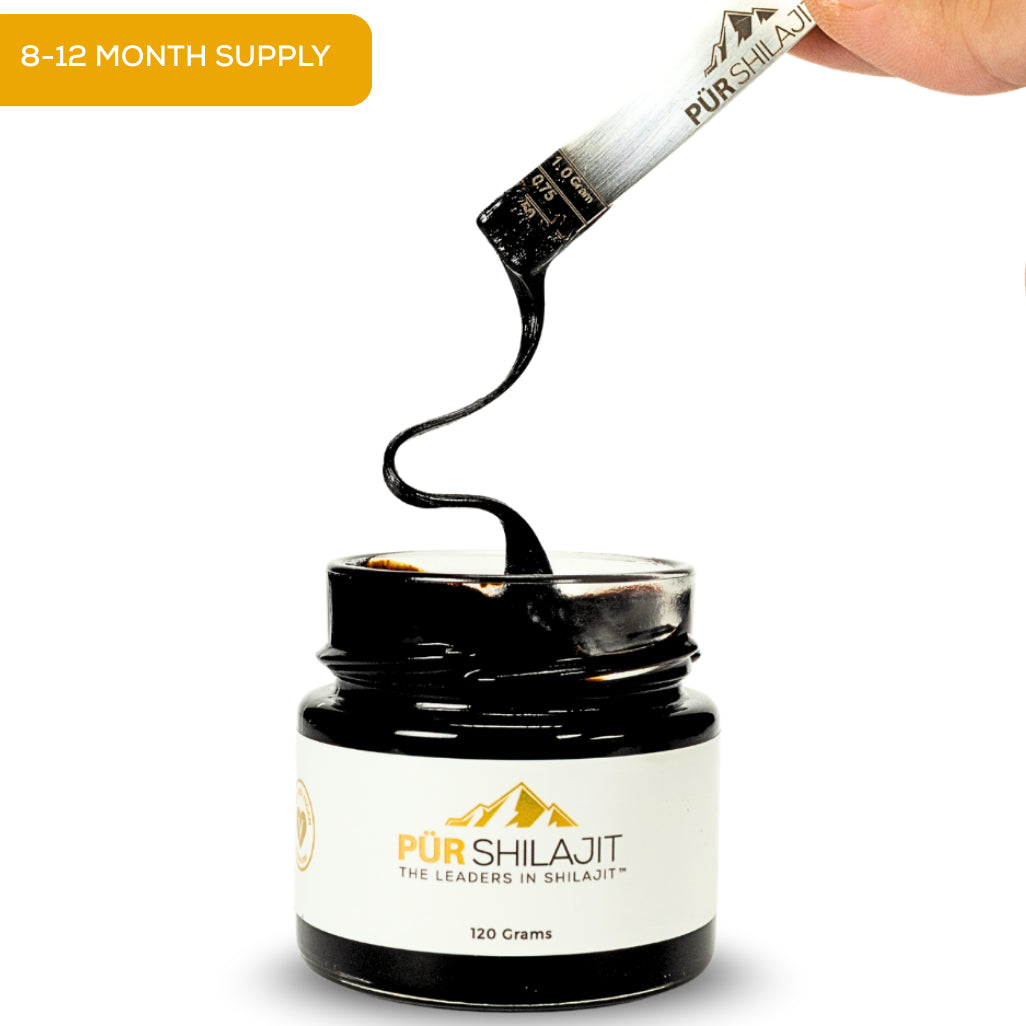
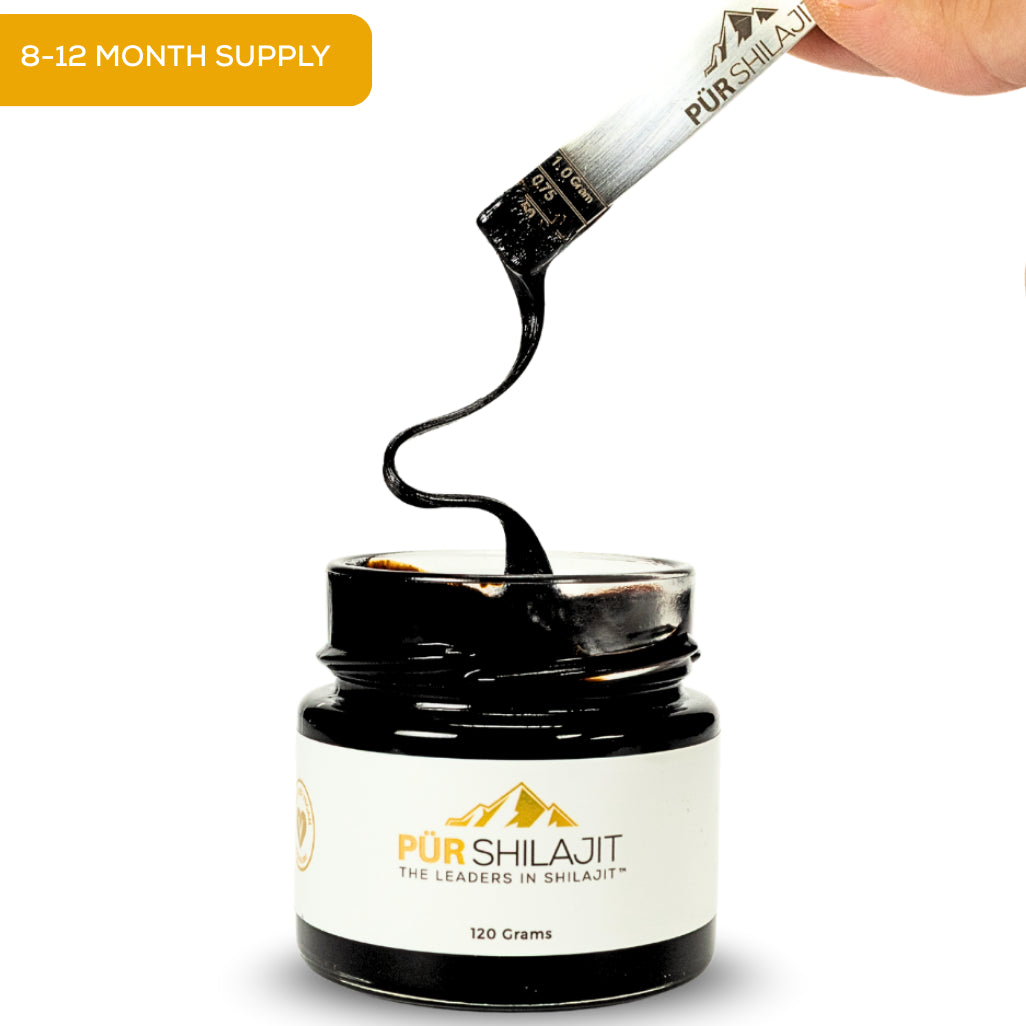
- Run the 30-second drip test. Blends built to a price are where molasses and water tend to show up.
Why we stayed small enough to stay single-source
Pür Shilajit has been family-owned since 2019 — 155,000+ customers later, the supply chain is still the same one we started with: one source in the Altai, harvested by hand, dried by the sun, tested by Eurofins (an independent ISO 17025-accredited lab network), and backed by a 90-day money-back guarantee. We named the company Pür because that's the entire pitch. One ingredient. One source. Proof published.
Quick questions
Is blended shilajit fake? Not necessarily — it can be genuine resin. But it's harder to verify, and dilution is more common at the price points blends are built for.
Does single-source cost more? Usually, yes. Hand harvest at 14,000 feet doesn't scale like a broker order. Compare cost per day, not jar price — undiluted resin goes further.
What's the fastest way to check any brand? The 8 questions in our brand comparison scorecard.
The founder's tip
Grab the jar in your cupboard right now, from any brand, and look for two things: a named mountain range and a lot number. It takes ten seconds. If either one is missing, you've learned something. Ours has both, and the lot number matches a report you can read online.
— Jason Reese, founder
A thank-you for reading this far: add any resin jar and The Spoon to your cart and use code RESINREPORT — the spoon's on me.
These statements have not been evaluated by the Food and Drug Administration. This product is not intended to diagnose, treat, cure, or prevent any disease.

Written by Jason Reese