Shilajit vs. Tongkat Ali: 5 Differences (and What to Check Before You Take Both)
Short answer: Shilajit and tongkat ali are completely different things. Shilajit is a mineral-rich resin that forms in high-altitude mountain rock and is taken whole, as one ingredient. Tongkat ali is the root of a Southeast Asian shrub, usually sold as a concentrated extract in capsules or powder. Plenty of people take both; the smart way is to add one at a time and read both labels first.
You already know these two get mentioned in the same breath. Same podcasts, same group chats, same "what's in your morning stack" threads. What almost nobody explains is that one comes out of a mountain and the other comes out of the ground in a rainforest, and that changes what you should look for on the label.
Stick around for the founder's tip at the bottom; there's a little thank-you waiting there too. No. 5 is the one most people skip.
1. One is a rock resin, the other is a plant root
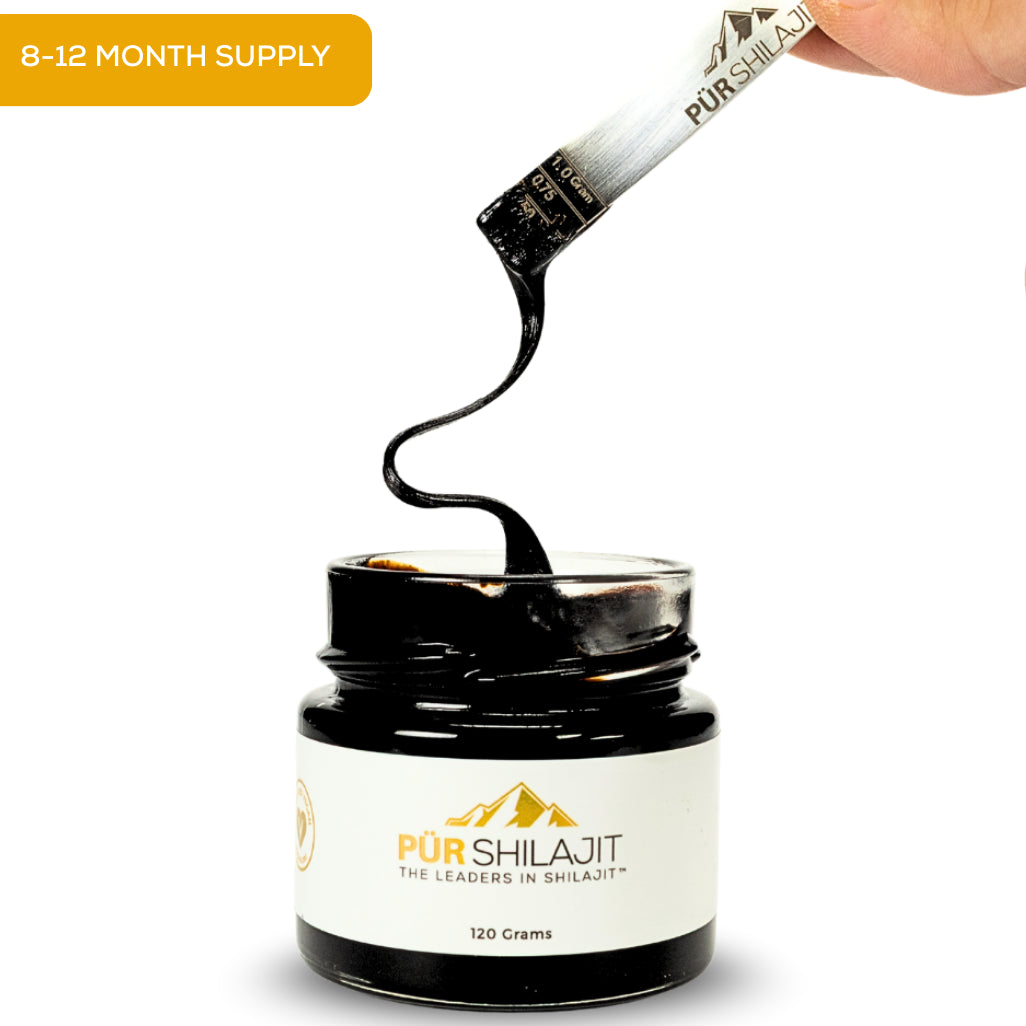
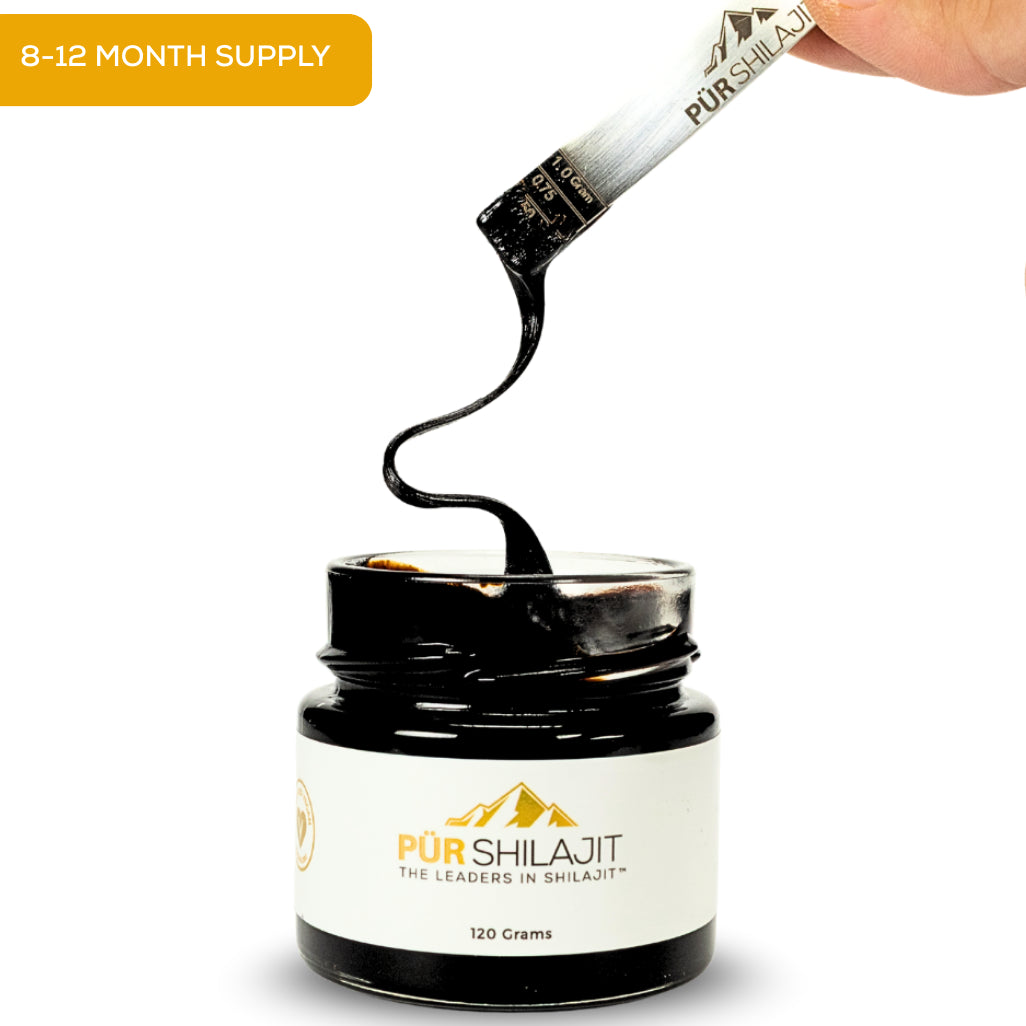
Shilajit isn't grown. It forms slowly in high-altitude rock as plant matter breaks down under pressure over centuries, then seeps out as a dark, sticky resin.
Tongkat ali is the root of Eurycoma longifolia, a slender shrub native to the forests of Malaysia, Indonesia and neighboring countries. You'll also see it sold as "longjack." It has a long history in traditional Malaysian and Indonesian use.
Different kingdoms, really. One geological, one botanical.
2. Shilajit is taken whole; tongkat ali is usually an extract
Good shilajit resin is the whole material, cleaned and dried. Nothing concentrated, nothing added.
Tongkat ali is almost always processed into an extract. The root is steeped and concentrated, and the result is sold by ratio (you'll see numbers like 100:1 or 200:1) or standardized to a percentage of a marker compound. The exact strength and serving vary, so go by what's printed per the label.
But that's only half of it.
3. The labels measure different things
On a shilajit jar, the useful numbers are about what the resin naturally carries and how it was tested: fulvic acid, trace minerals (ours carries 84+), heavy metals screening and a lot number you can match to a lab report.
On a tongkat ali bottle, the useful numbers are about the extract: the ratio, the standardization percentage and the milligrams per capsule. Two different products, two different ways of reading the fine print.
| Shilajit resin | Tongkat ali | |
|---|---|---|
| Source | Resin from high-altitude mountain rock | Root of a Southeast Asian shrub |
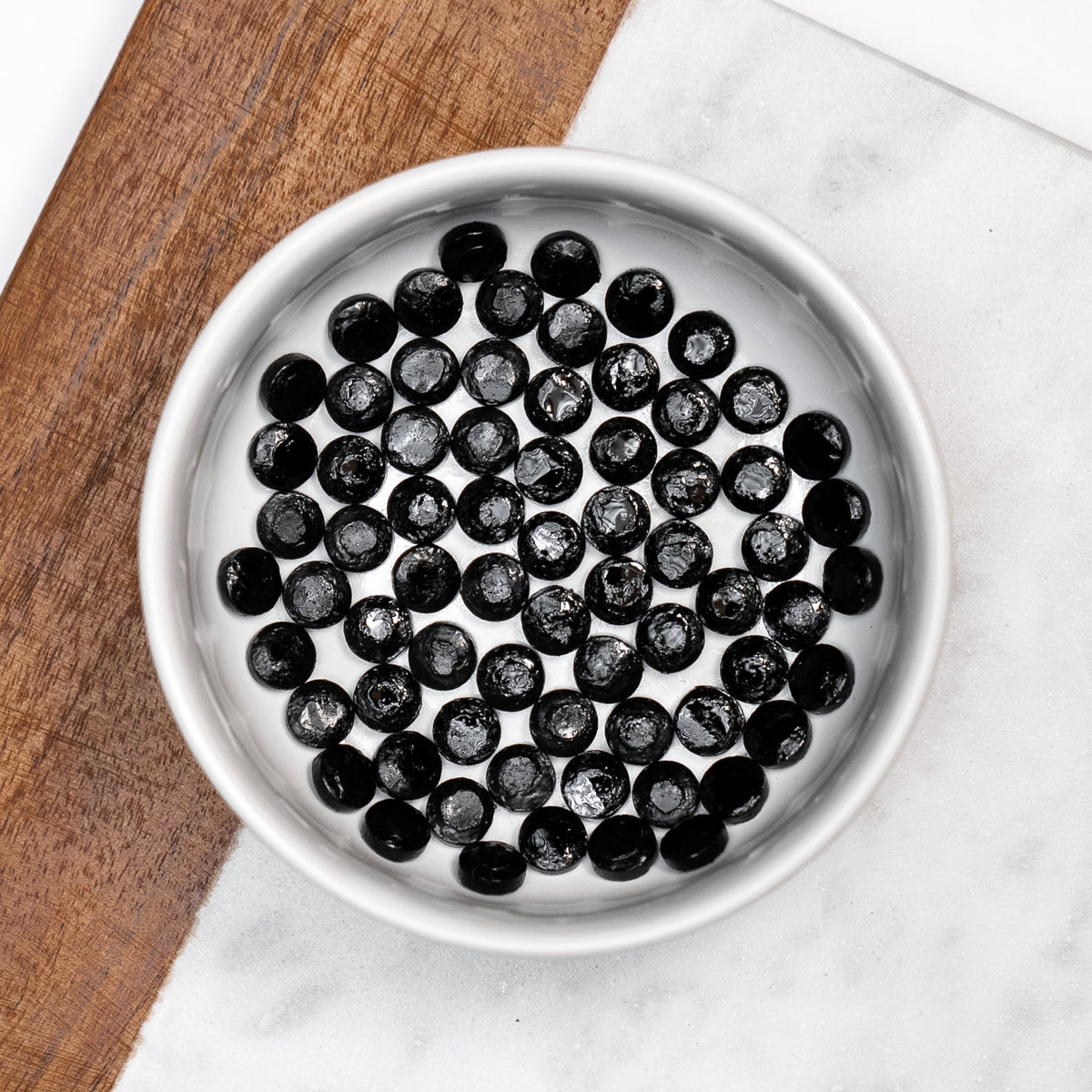
| Typical form | Resin, tablets or capsules | Extract in capsules or powder |
| Processing | Whole resin, cleaned and dried | Concentrated extract (ratio or standardized) |
| Label numbers to read | Lot number, lab report, heavy metals screening | Extract ratio, standardization %, mg per serving |
| Taste | Earthy, slightly bitter, mineral | Strongly bitter, so most people take capsules |
| Serving | 300 to 500 mg resin daily (Pür) | Per the label |
4. You take them differently
Shilajit resin dissolves. A pea-sized portion, 300 to 500 mg, goes into warm (not boiling) water, tea or coffee once a day. If you'd rather skip the spoon, tablets are 2 a day and the Daily Drive is 1 vegan cap.
Tongkat ali root is famously bitter, which is why most people swallow it as a capsule rather than stirring the powder into anything. Some labels also suggest a specific schedule; follow the one on your bottle.
5. What to check before you take both
This is the one people skip. Because the two products are so different, there's no reason to treat them as either/or. The smart move is simple:
- Add one at a time. Give the first a couple of weeks as a steady habit before adding the second, so you know how each one fits your routine.
- Read both labels. For shilajit, find a batch-specific lab report you can match to your lot number. For tongkat ali, check the extract ratio and the milligrams per serving.
- Ask about testing on both. Anything that comes from the earth, rock or root, is worth a third-party heavy metals screen. Ask each seller whether they test and whether they publish.
- Talk to your doctor first if you're on medication, under medical care, pregnant or nursing.
The Pür proof
We named the company Pür for a reason. Our resin is single-source from the Altai Mountains, hand-harvested around 14,000 feet (never below 13,500), sun-dried 70+ days and never purified with heat. No molasses, no water, nothing added: one ingredient.
Every batch is tested by Eurofins, an independent ISO 17025-accredited lab network, and we publish the reports by lot number. It's California Prop 65 compliant, hardens in the cold, softens with warmth and passes the 30-second upside-down drip test.
Family-owned since 2019, 155,000+ customers, and every jar is backed by our 90-day money-back guarantee. The 120 g resin jar is $209, about $0.57 a day. As pür as pure gets.
Quick questions
Can you take shilajit and tongkat ali together? Many people do. They're different materials with different labels, so add one at a time, follow each serving guideline and check with your doctor first if you're under medical care.
Which one should I start with? Start with whichever fits your routine more easily. If you like a warm morning drink, shilajit resin slides right in. If you'd rather swallow a capsule and move on, either one comes in capsule form.
Is tongkat ali the same as shilajit? No. Tongkat ali is a plant root, usually sold as a concentrated extract. Shilajit is a mineral-rich resin from mountain rock, taken whole.
The founder's tip
If you're running a stack, here's what's worked for me and for a lot of our longtime customers: give each thing its own spot in the day. My shilajit goes in my first warm mug, before I look at my phone, every single morning. Anything in capsule form lives next to the coffee maker or the toothbrush, wherever I already stop. When every supplement is welded to a habit you already have, you stop forgetting, and you actually find out what you like. And if your resin lid ever gets stubborn in a cold kitchen, run it under hot water for two or three minutes. It'll twist right off.
— Jason Reese, founder
A thank-you for reading this far: add any resin jar and The Spoon to your cart and use code RESINREPORT — the spoon's on me.
These statements have not been evaluated by the Food and Drug Administration. This product is not intended to diagnose, treat, cure, or prevent any disease. Talk to your doctor before starting any supplement if you're pregnant, nursing, or under medical care.

Written by Jason Reese