Shilajit vs. Magnesium: 5 Differences (and Why One Doesn't Replace the Other)
Short answer: Shilajit and magnesium aren't the same kind of thing. Magnesium is a single essential mineral, sold as a supplement bonded to a carrier compound like citrate or glycinate. Shilajit is a whole mountain resin that naturally carries fulvic acid and 84+ trace minerals, magnesium among them, in trace amounts. One doesn't replace the other, and plenty of people keep both in their routine.
You already know magnesium. It's probably the most talked-about mineral on the internet right now, and there's a decent chance a bottle is sitting on your nightstand. So when shilajit gets described as "mineral-rich," it's fair to wonder whether you're paying twice for the same thing. You're not, and the reason is simple once you see it laid out.
Stick around for the founder's tip at the bottom; there's a little thank-you waiting there too. No. 4 is the one most people skip.
1. One is a single mineral; the other is a whole material
Magnesium is one element. It's found in foods like leafy greens, nuts, seeds, beans and whole grains, and in supplement form it's isolated so you get a measured amount of that one mineral.
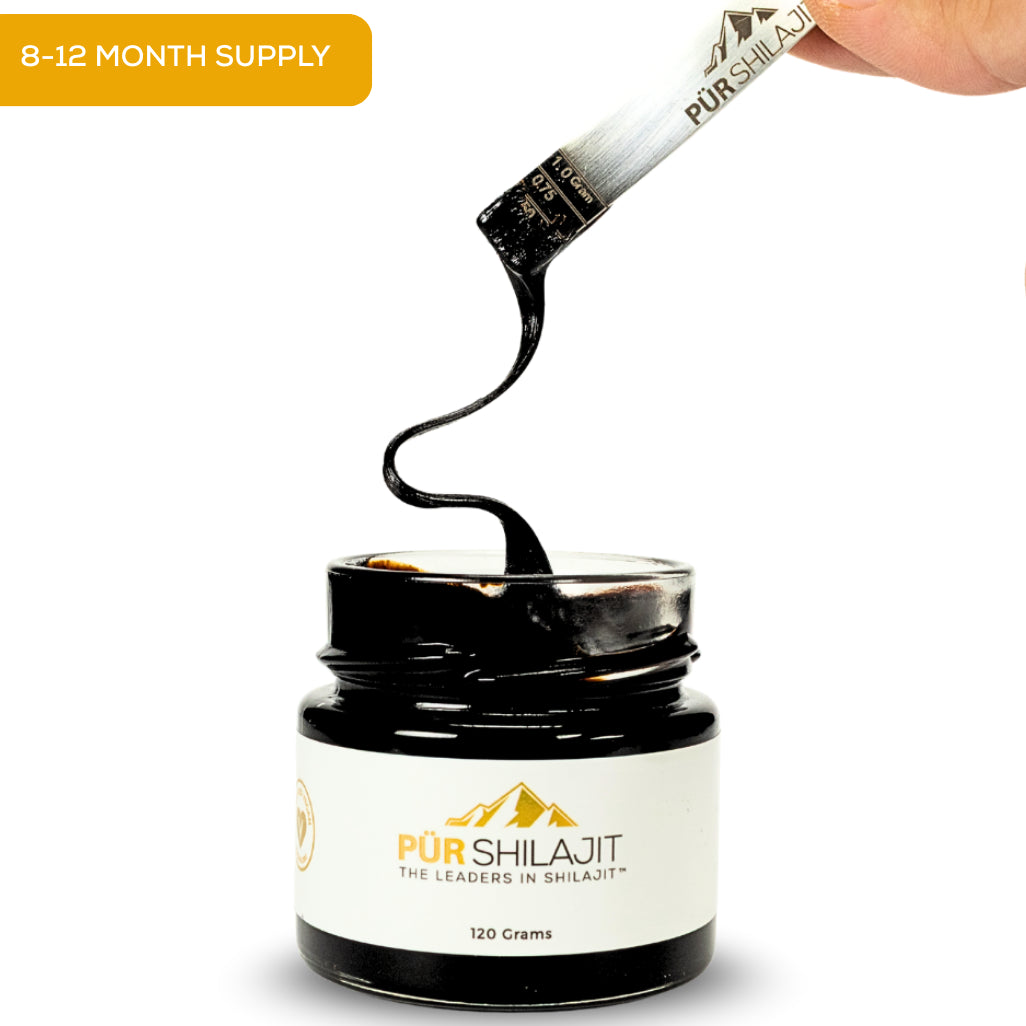
Shilajit isn't isolated from anything. It forms slowly in high-altitude rock as plant matter breaks down over centuries, then seeps out as a dark resin. What's in the jar is the whole material: fulvic acid plus a broad spread of trace minerals.
One is a precise tool. The other is a whole-food-style habit.
2. Magnesium always comes bonded to something
You can't bottle pure magnesium as a supplement on its own, so it's paired with a carrier compound. That's where the names come from: magnesium citrate, glycinate, oxide, malate, threonate and others. Each form behaves a little differently, which is why people get particular about which one they buy.
Shilajit has no "form" in that sense. Good resin is cleaned and dried, and that's it. Ours is one ingredient, with no molasses, no water and nothing added.
But that's only half of it.
3. The labels count different things
On a magnesium bottle, the number that matters is the elemental magnesium per serving, meaning how much actual magnesium you get once the carrier compound is subtracted. A capsule can weigh far more than the magnesium it delivers, so read that line, per the label.
On a shilajit jar, the useful information is about the material and its testing: the source, how it was dried, the serving size and a lot number you can match to an independent lab report.
| Shilajit resin | Magnesium supplement | |
|---|---|---|
| What it is | Whole resin from high-altitude mountain rock | One essential mineral bonded to a carrier |
| What's inside | Fulvic acid and 84+ trace minerals | Magnesium plus its carrier compound |
| Number to read | Lot number matched to a lab report | Elemental magnesium per serving |
| Common forms | Resin, tablets, capsules | Capsules, tablets, powders, gummies |
| Serving | 300 to 500 mg resin daily (Pür) | Per the label |
4. Shilajit contains magnesium, but it isn't a magnesium supplement
This is the one people skip. Yes, magnesium is one of the trace minerals in shilajit. But "trace" is the key word. A daily serving of resin is about a third of a gram, spread across dozens of minerals plus fulvic acid.
So if you're taking magnesium for a specific reason, shilajit isn't a swap for it, and nobody should tell you it is. Think of shilajit as breadth and a magnesium supplement as a measured dose of one thing. Different jobs.
5. They tend to live at different times of day
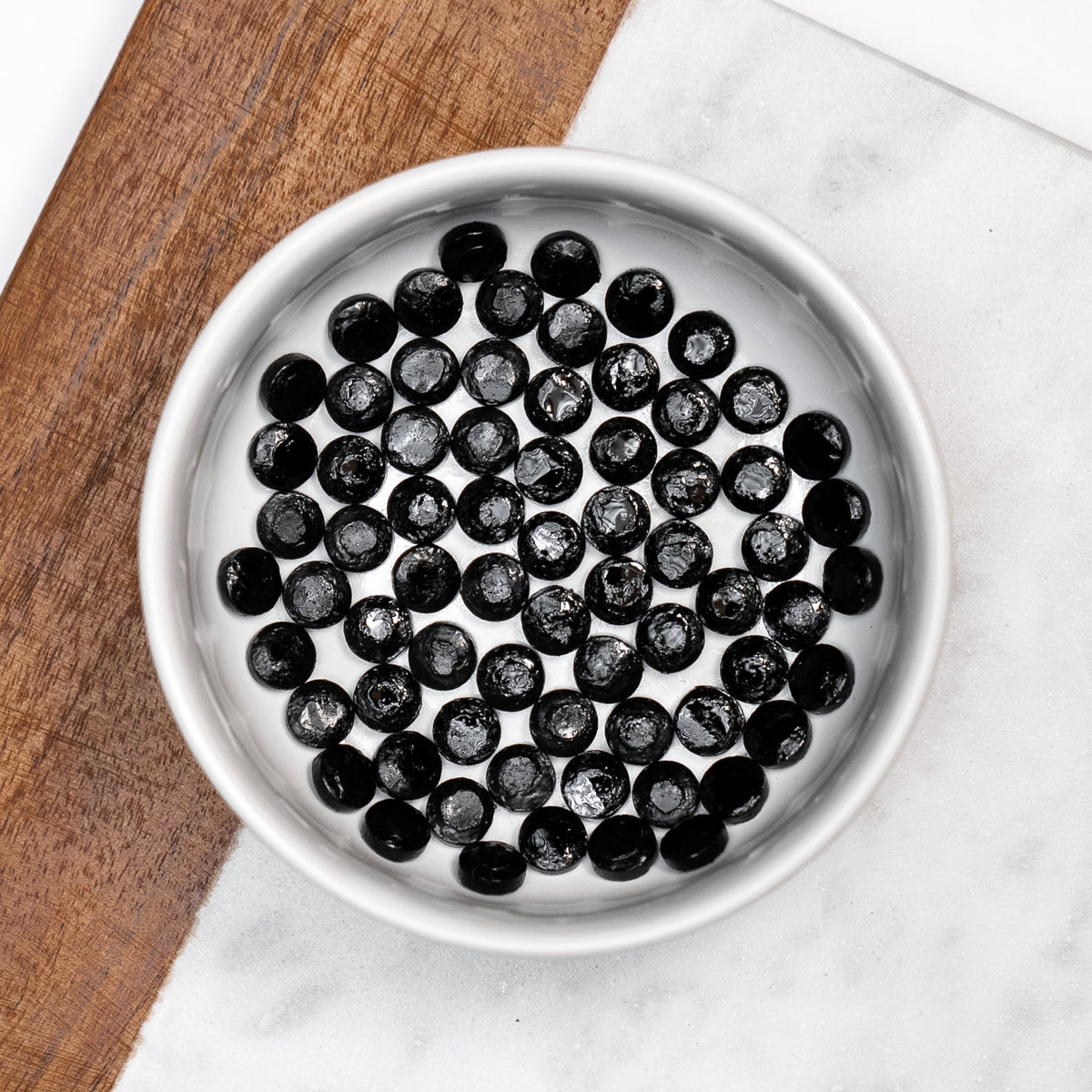
Shilajit is caffeine-free and dissolves in a warm drink, so most of our customers take it in the morning: a pea-sized portion, 300 to 500 mg, stirred into warm (not boiling) water, tea or coffee. If you'd rather not use a spoon, it's 2 binder-free tablets or 1 Daily Drive cap.
Many people take magnesium later in the day, often in the evening. Whatever you choose, follow the directions on your bottle; more is not better. And if you're on medication or under medical care, check with your doctor before adding either one.
The Pür proof
We named the company Pür for a reason. Our resin is single-source from the Altai Mountains, hand-harvested around 14,000 feet (never below 13,500), sun-dried 70+ days and never purified with heat. One ingredient, nothing added.
Every batch is tested by Eurofins, an independent ISO 17025-accredited lab network, and we publish the reports by lot number. It's California Prop 65 compliant, hardens in the cold, softens with warmth and passes the 30-second upside-down drip test.
Family-owned since 2019, 155,000+ customers, and every order is backed by our 90-day money-back guarantee. The 120 g resin jar is $209, about $0.57 a day. As pür as pure gets.
Quick questions
Can you take shilajit and magnesium together? Many people do. They're different products that usually fit different parts of the day. Follow each label's serving and check with your doctor first if you're under medical care.
Does shilajit have magnesium in it? Yes, as one of its 84+ trace minerals. It's present in trace amounts, so shilajit isn't a substitute for a magnesium supplement.
Which magnesium form should I buy? That depends on why you're taking it, and it's a good question for your doctor or pharmacist. Whichever you pick, read the elemental magnesium line on the label so you know what you're actually getting.
The founder's tip
Here's a small one that changed my mornings: warm the mug before the resin goes in. I pour a little hot water in, swirl it, dump it, then add my resin and a splash of warm water. A cold ceramic mug pulls the heat out fast, and the resin ends up sitting at the bottom half-dissolved. A warm mug and thirty seconds of stirring, and it's gone completely before I top it off with tea. Same habit every day, same mug, same minute. That's the whole trick.
— Jason Reese, founder
A thank-you for reading this far: add any resin jar and The Spoon to your cart and use code RESINREPORT — the spoon's on me.
These statements have not been evaluated by the Food and Drug Administration. This product is not intended to diagnose, treat, cure, or prevent any disease. Talk to your doctor before starting any supplement if you're pregnant, nursing, or under medical care.

Written by Jason Reese