Shilajit vs. Lion's Mane: 5 Differences (and Why People Take Them Together)
Short answer: Shilajit is a mineral-rich resin that forms in high-altitude mountain rock; lion's mane is an edible mushroom grown on hardwood or grain. They come from completely different worlds, so they don't overlap, and plenty of people take both in the same morning mug. The real differences are in sourcing, what to read on the label, and how you take each one.
You already know the morning routine has gotten crowded. A mushroom here, a mineral there, a powder that promises to replace your coffee. You're right to ask which ones actually earn a spot. What nobody tells you is that shilajit and lion's mane aren't competing for the same job at all.
Stick around for the founder's tip at the bottom; there's a little thank-you waiting there too. No. 3 is the one most people skip.
1. One is a resin, the other is a mushroom
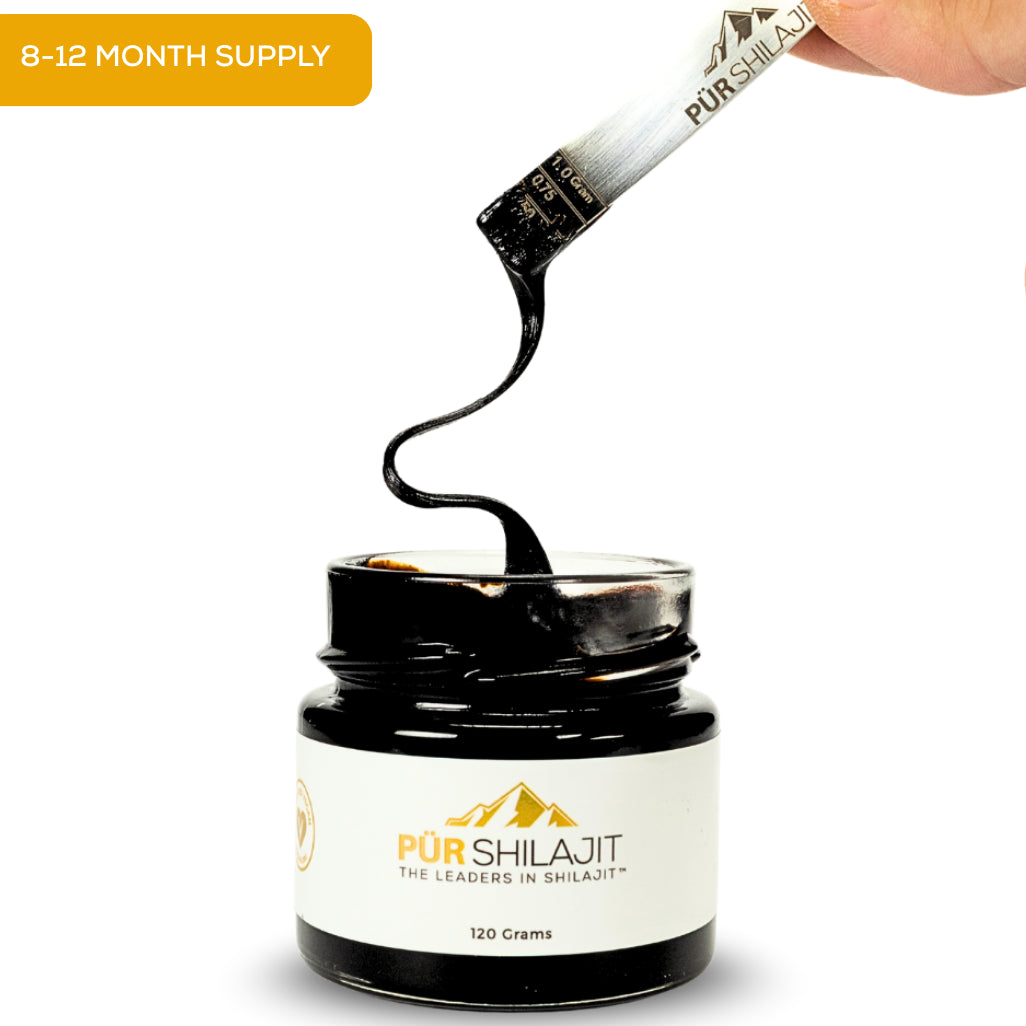
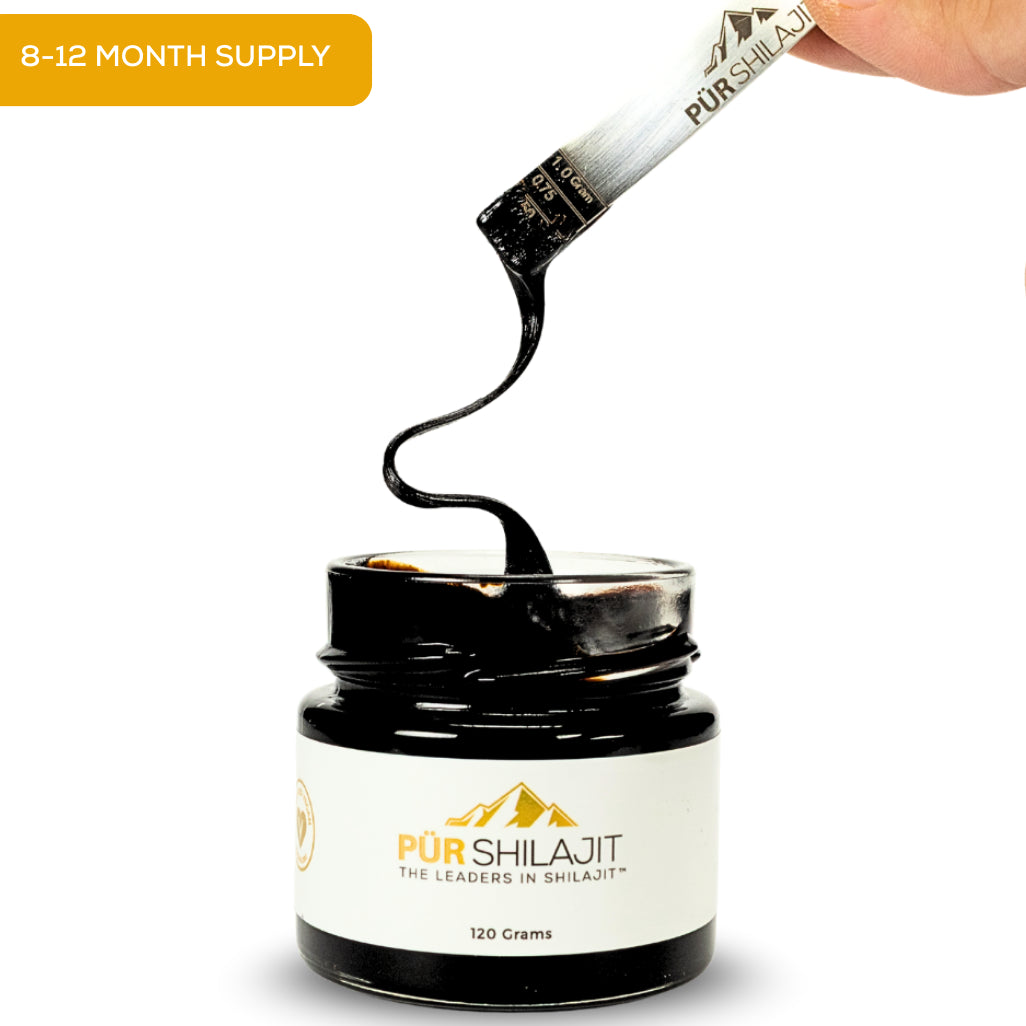
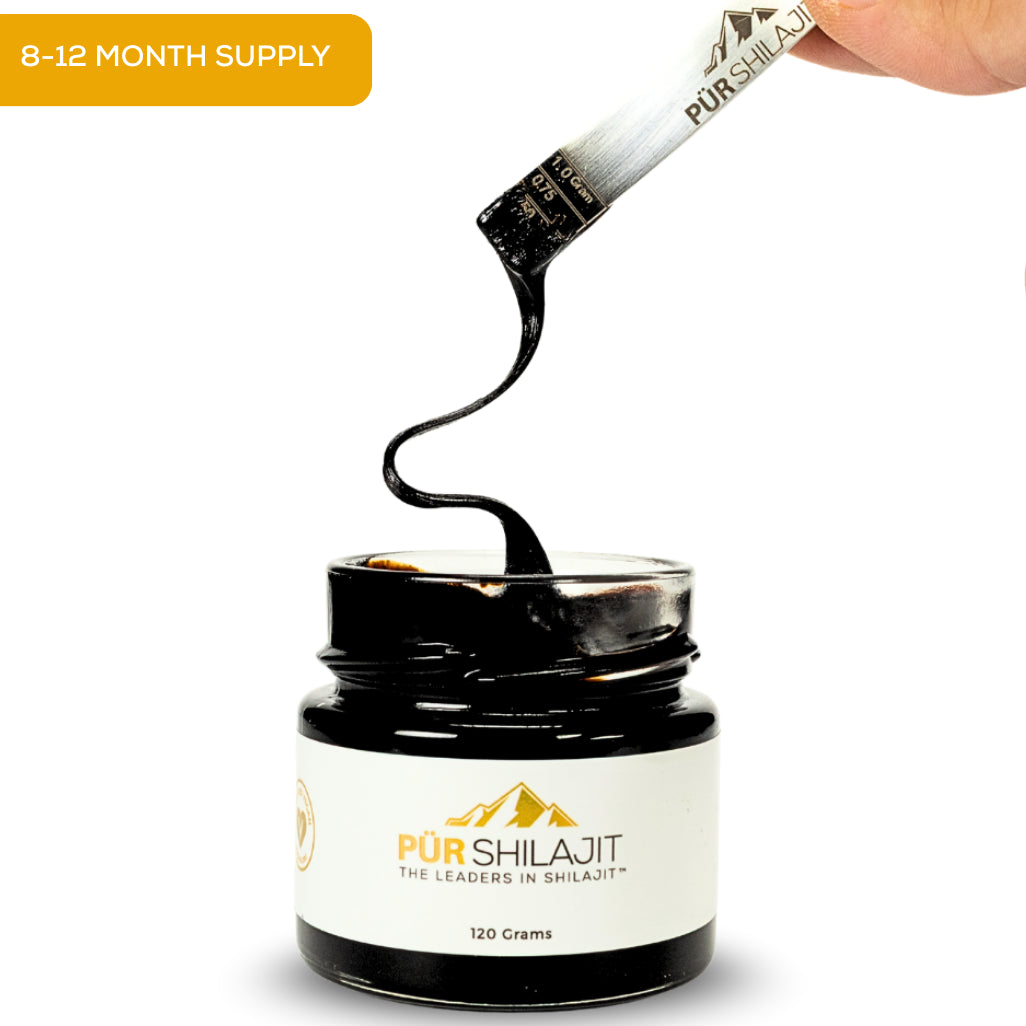
Shilajit isn't grown. It forms slowly in mountain rock as plant matter breaks down under pressure over centuries, then seeps out as a dense, dark resin. It naturally contains fulvic acid and trace minerals.
Lion's mane (Hericium erinaceus) is an edible mushroom with long, shaggy white spines. Cooks have used it for generations, and today it's one of the most popular functional mushrooms in powders, capsules and coffee blends.
Different kingdoms, different chemistry. That's the whole reason they stack so easily.
2. How each one gets from source to your cup
Shilajit is collected by hand from the rock face, filtered and dried. How it's dried matters: slow sun-drying keeps the resin as close to its natural state as possible, while faster methods use heat.
Lion's mane is cultivated. Producers either harvest the fruiting body (the mushroom you'd recognize) or grow mycelium, the root-like network, often on a grain substrate. Many products are then extracted with hot water, alcohol, or both.
But where it comes from is only half of it.
3. What to read on the label (the one most people skip)
For shilajit, look for one ingredient and a batch-specific lab report you can match to the lot number on your jar. If the label lists added water, syrups or fillers, you're paying for them by weight. Want a quick home check? The 30-second drip test takes less time than reading this section.
For lion's mane, the key questions are whether it's fruiting body or mycelium, whether the label states a beta-glucan percentage, and whether an extraction ratio is listed. Mycelium grown on grain can carry some of that grain into the final powder, so a stated beta-glucan figure is a useful number to look for.
Both checks take 30 seconds. Most people never do them.
4. How you take them
Shilajit resin is taken in a tiny daily serving: 300 to 500 mg (about 0.33 g, roughly pea-sized) dissolved in warm water, tea or coffee. Tablets and capsules skip the spoon entirely.
Lion's mane comes as powder, capsules, tinctures and blended "mushroom coffee." Serving sizes vary widely by product and extraction strength, so take it per the label.
5. Taste and texture
Shilajit is earthy and slightly bitter, like strong black tea with a mineral edge. It disappears into coffee.
Lion's mane powder is mild and earthy; the fresh mushroom is often compared to crab or lobster when cooked. Neither will ruin your mug, and together they taste like, well, a slightly earthier coffee.
| Shilajit resin | Lion's mane | |
|---|---|---|
| What it is | Mineral-rich resin from mountain rock | Edible mushroom |
| Source | Hand-harvested at altitude | Cultivated (fruiting body or mycelium) |
| Naturally contains | Fulvic acid, trace minerals | Beta-glucans and other mushroom compounds |
| Label check | One ingredient, lot-matched lab report | Fruiting body vs. mycelium, beta-glucan % |
| Daily serving | 300 to 500 mg | Per the label |
| Taste | Earthy, slightly bitter | Mild, earthy |
So why do people take them together?
Because nothing overlaps. One is a mineral resin, the other is a mushroom, and both dissolve into the same warm drink. Many people simply stir a pea-sized piece of resin into a mushroom coffee they already make. If you're adding anything new, talk to your doctor first, especially if you take medication.
The Pür proof
We named the company Pür for a reason. Our resin is single-source from the Altai Mountains, hand-harvested around 14,000 feet (never below 13,500), sun-dried for 70+ days and never purified with heat. No molasses, no water, nothing added: one ingredient.
Every batch is tested by Eurofins, an independent ISO 17025-accredited lab network, and we publish the reports by lot number. It's California Prop 65 compliant, contains 84+ trace minerals, hardens in the cold and passes the 30-second upside-down drip test.
Family-owned since 2019, 155,000+ customers, and every jar is covered by our 90-day money-back guarantee. The 120 g jar is $209, about $0.57 a day. As pür as pure gets.
Quick questions
Can you take shilajit and lion's mane together? Many people do. They're different categories, a mineral resin and a mushroom, and both mix into the same warm drink. Check with your doctor before combining supplements if you're under medical care.
Is lion's mane a type of shilajit? No. Lion's mane is an edible mushroom. Shilajit is a resin that forms in mountain rock. They share a mug, not a source.
Which should I look at first on the label? For shilajit, a lot-matched lab report and a one-ingredient list. For lion's mane, whether it's fruiting body or mycelium and whether a beta-glucan percentage is stated.
The founder's tip
If you're stacking resin into a mushroom coffee, don't drop it straight into the full mug. I learned that the hard way: it sinks and sits there like a pebble. Put the resin in the cup first with a splash of warm water, give it 30 seconds and a stir until it's fully dissolved, then pour everything else on top. Same goes if you like it iced. Dissolve warm first, then add the ice.
— Jason Reese, founder
A thank-you for reading this far: add any resin jar and The Spoon to your cart and use code RESINREPORT — the spoon's on me.
These statements have not been evaluated by the Food and Drug Administration. This product is not intended to diagnose, treat, cure, or prevent any disease. Talk to your doctor before starting any supplement if you're pregnant, nursing, or under medical care.

Written by Jason Reese