Shilajit vs. Colostrum: 5 Differences (and How Both Fit Into One Morning)
Short answer: Shilajit and colostrum come from opposite ends of nature. Colostrum is the first milk a cow produces after calving, sold as a dairy powder or capsule; shilajit is a mineral-rich resin that seeps from high mountain rock. They don't overlap in source, makeup or diet fit, so one doesn't replace the other, and plenty of people keep both in the same morning routine.
You already know colostrum is everywhere right now. It's in your feed, in your friend's smoothie and probably on a shelf you walked past this week. You also already sense it isn't the same kind of thing as the dark resin in your kitchen. You're right, and the differences are more interesting than the hype on either side.
Stick around for the founder's tip at the bottom; there's a little thank-you waiting there too. No. 5 is the one most people skip.
1. Source: a cow's first milk vs. mountain rock
Bovine colostrum is collected from dairy cows in the first days after they give birth, then dried into a powder. It's an animal product, made by a living animal for its calf.
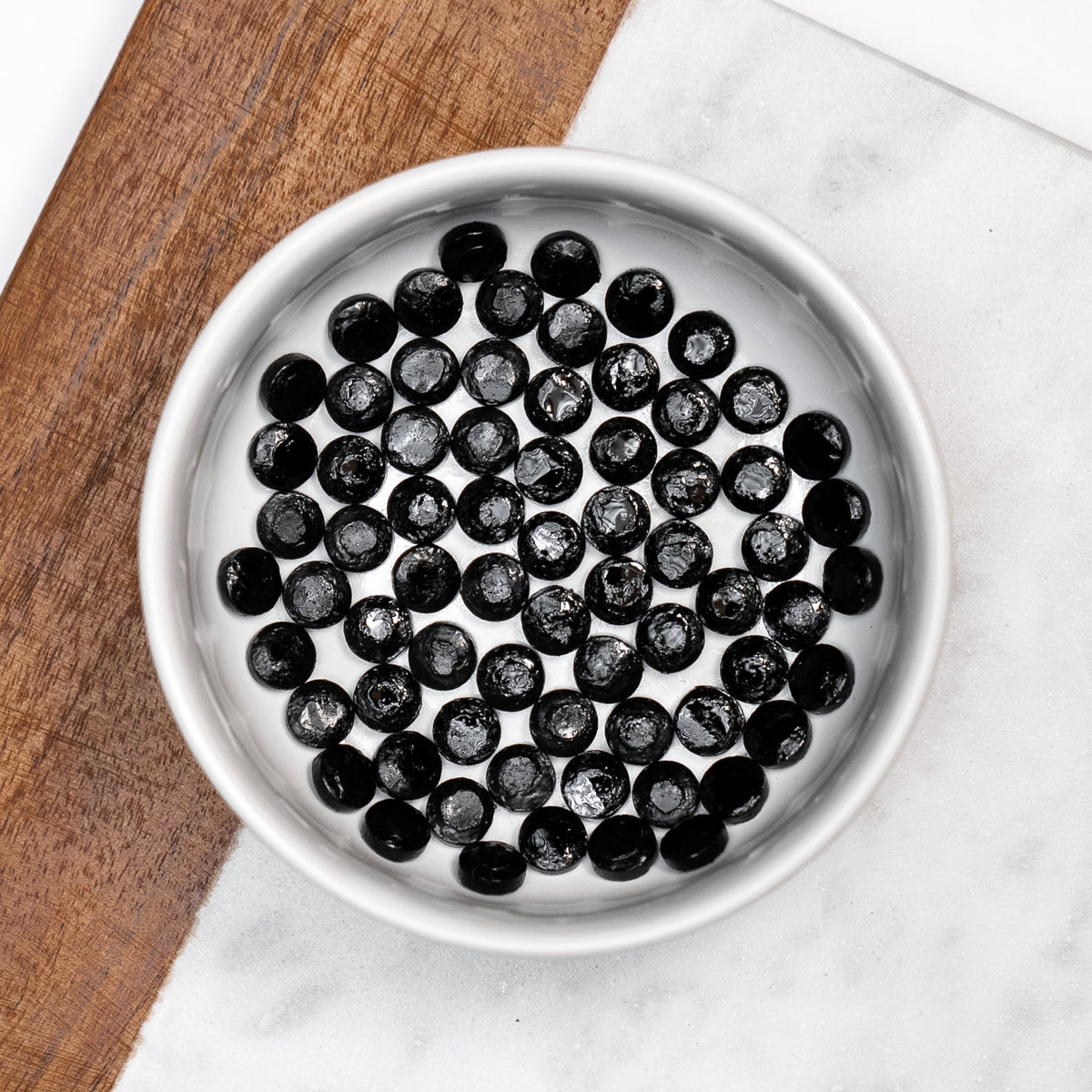
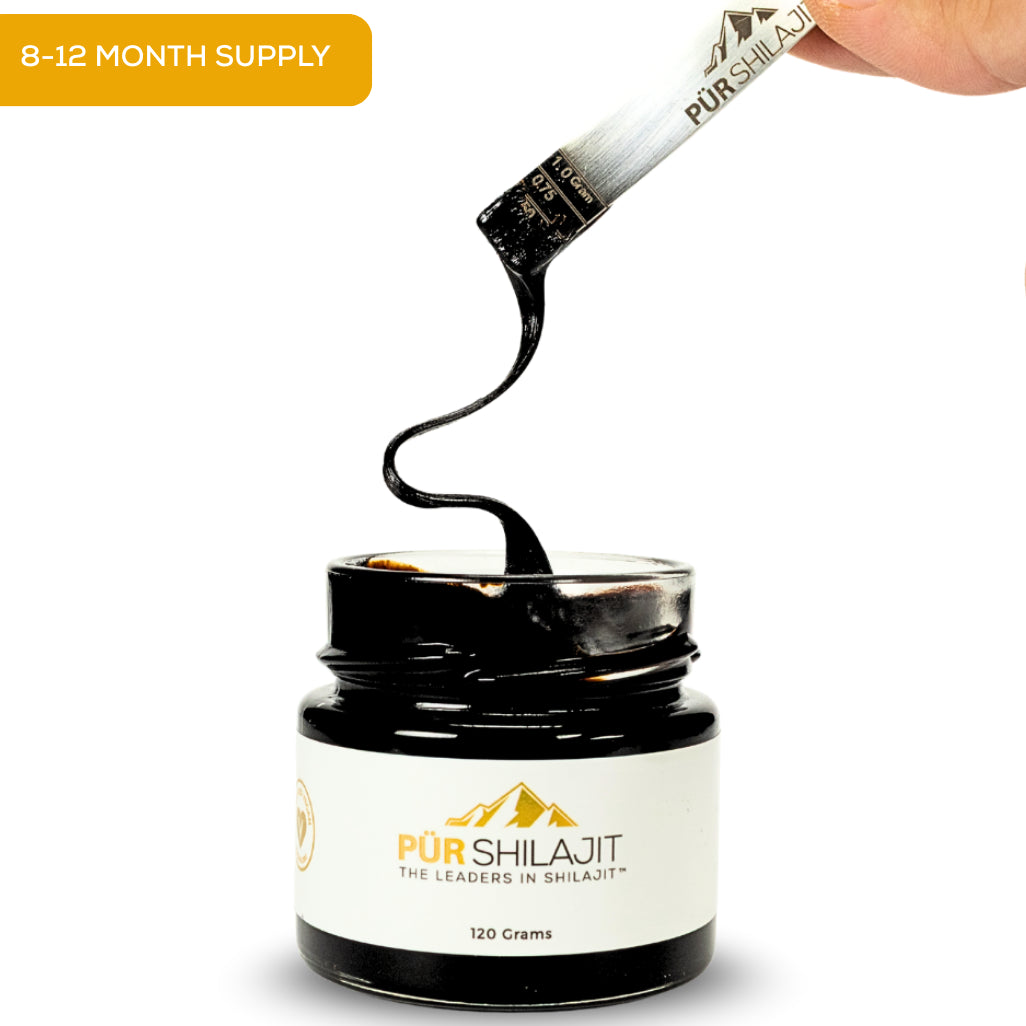
Shilajit forms over a very long time as plant matter breaks down and gets pressed into rock in high mountain ranges. It seeps out as a sticky, tar-like resin. Nobody makes it; it's harvested.
2. What's actually in it
Colostrum is mostly protein. It's known for immunoglobulins (especially IgG), lactoferrin and naturally occurring growth factors, plus the fats and sugars found in milk. Labels often list an IgG percentage; check yours for the exact amount.
Shilajit is a different universe: fulvic acid, humic substances and trace minerals. Ours carries 84+ trace minerals. No protein to speak of, no milk sugars.
But that's only half of it.
3. Diet fit: dairy vs. one plant-and-mineral ingredient
Because colostrum is a dairy product, it's not vegan, and it's worth a hard look at the label if you avoid dairy or lactose for any reason.
Shilajit resin is plant-and-mineral in origin. Ours is one ingredient: the resin itself. Nothing added, no carrier, no flavor. The Daily Drive caps are vegan, and the tablets are binder-free.
| Colostrum | Shilajit (Pür) | |
|---|---|---|
| Source | First milk from cows after calving | Resin from Altai mountain rock, around 14,000 ft |
| Main components | Proteins: immunoglobulins, lactoferrin, growth factors | Fulvic acid and 84+ trace minerals |
| Vegan? | No, it's dairy | Plant-and-mineral resin; Daily Drive caps are vegan |
| Typical serving | A scoop of powder or a few capsules, per the label | 300 to 500 mg resin, about the size of a pea |
| Taste | Mild and milky | Earthy, like strong black tea with a mineral edge |
4. Serving size: a scoop vs. a pea
Colostrum is usually measured in grams of powder, often a scoop or more, per the label. It's a food-like amount.
Shilajit is tiny by comparison. A daily serving of our resin is 300 to 500 mg (about 0.33 g), dissolved in warm, not boiling, water, tea or coffee. Two tablets are 0.4 g; one Daily Drive cap is 500 mg. A 120 g jar lasts a long time, which is why it works out to about $0.57 a day.
5. What to check on the label
This is the one people skip, and it's the same discipline for both: don't trust adjectives, trust documents.
For colostrum, look at where the herd is, how the collection window is described, whether there's an IgG percentage, and whether there's independent testing you can actually read. For any powder, check for added flavors, sweeteners or fillers in the ingredient list.
For shilajit, ask for a batch-specific report from an independent lab, with heavy metals screening and a lot number that matches your jar. With resin you can also run the 30-second drip test at home: real resin holds together upside down, hardens in the cold and softens with warmth.
The Pür proof
We named the company Pür for a reason. Our resin is single-source from the Altai Mountains, hand-harvested around 14,000 feet and never below 13,500. It's sun-dried for 70+ days and never purified with heat. No molasses, no water, nothing added: one ingredient.
Every batch is tested by Eurofins, an independent ISO 17025-accredited lab network, and we publish every report by lot number, so you can match the paper to the jar in your hand. California Prop 65 compliant. It passes the 30-second upside-down drip test.
We've been family-owned since 2019 and have served 155,000+ customers. Every order carries a 90-day money-back guarantee. As pür as pure gets, and we'll show you the paperwork.
Quick questions
Can you take shilajit and colostrum together? They're very different products with no overlap in source or makeup, and many people use both in the same morning. Follow each label's serving size, and check with your doctor if you're under medical care.
Is shilajit a dairy product? No. Shilajit is a resin that forms in mountain rock. Pür resin is one ingredient with nothing added, so there's no milk, lactose or animal-derived carrier in it.
Which one should I start with? Start with whichever fits the routine you'll actually keep. If you avoid dairy, colostrum is likely off the table, while shilajit resin, binder-free tablets and vegan caps all fit.
The founder's tip
If you're putting both in one drink, do it in two steps. I melt the resin first in a splash of warm water, just a couple of tablespoons, and stir until it's gone. Then I top it up with cool water or let it sit a minute before adding anything powdered. Most colostrum labels suggest cool or lukewarm liquid, so check yours, and you get a smooth glass with no stubborn little lump of resin at the bottom. Two minutes, every morning, same mug.
— Jason Reese, founder
A thank-you for reading this far: add any resin jar and The Spoon to your cart and use code RESINREPORT — the spoon's on me.
These statements have not been evaluated by the Food and Drug Administration. This product is not intended to diagnose, treat, cure, or prevent any disease. Talk to your doctor before starting any supplement if you're pregnant, nursing, or under medical care.

Written by Jason Reese