Shilajit vs. Ginger: 5 Differences (and What to Check on a Ginger Shot Label)
Short answer: Shilajit and ginger aren't substitutes. Shilajit is a mineral-rich resin that forms in high mountain rock and is taken as a tiny daily serving, 300 to 500 mg. Ginger is the spicy root of a tropical plant, eaten fresh, dried, brewed or juiced in amounts set by the recipe or label. They do different jobs, and plenty of people keep both in the same morning routine.
You already know ginger. It's in your spice drawer, your stir-fry, maybe the little shot bottles by the checkout. You trust it because it's food, and that instinct is a good one. Shilajit asks you to apply the same instinct somewhere less familiar: know what it is, where it came from, and what's actually in the jar.
Stick around for the founder's tip at the bottom; there's a little thank-you waiting there too. No. 5 is the one most people skip.
1. Where it comes from: rock vs. root
Ginger is the underground stem (the rhizome) of Zingiber officinale, a tropical plant in the same family as turmeric and cardamom. It's farmed, harvested and sold by the pound.
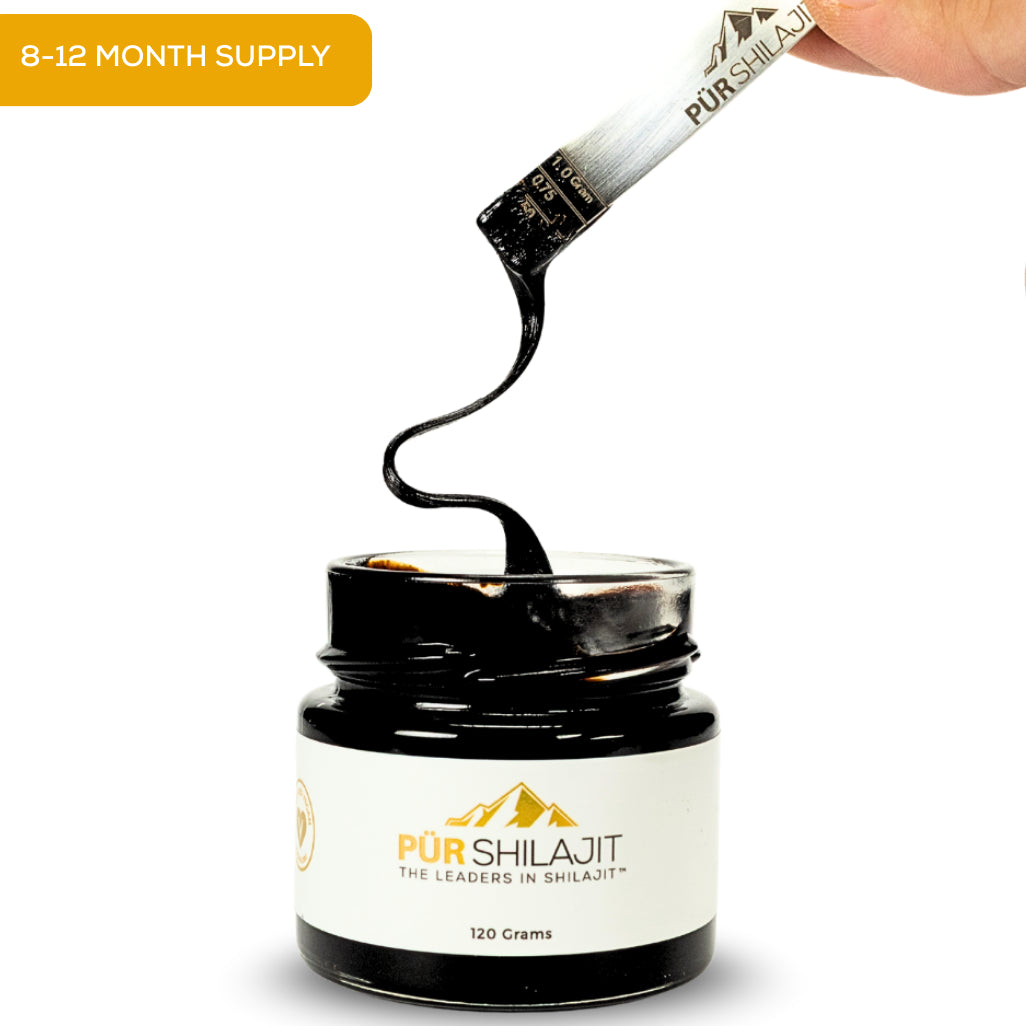
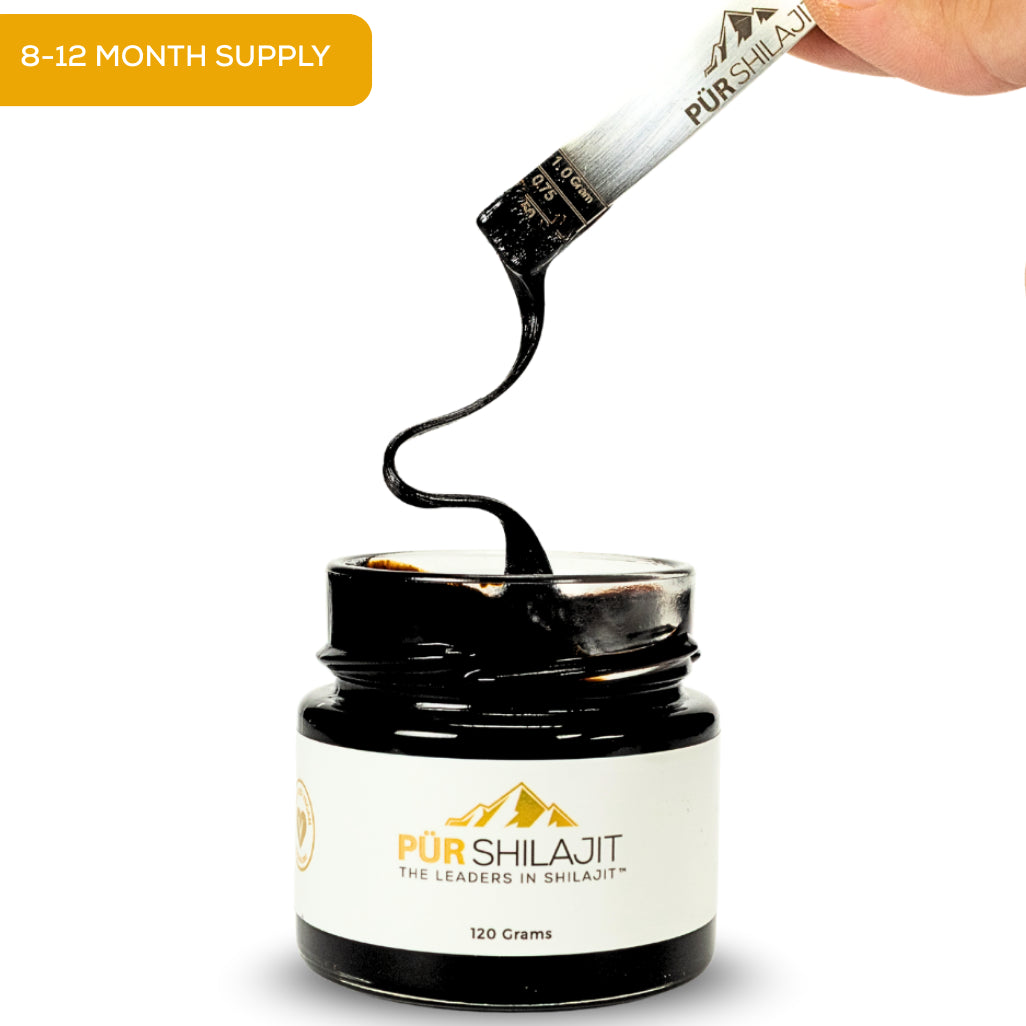
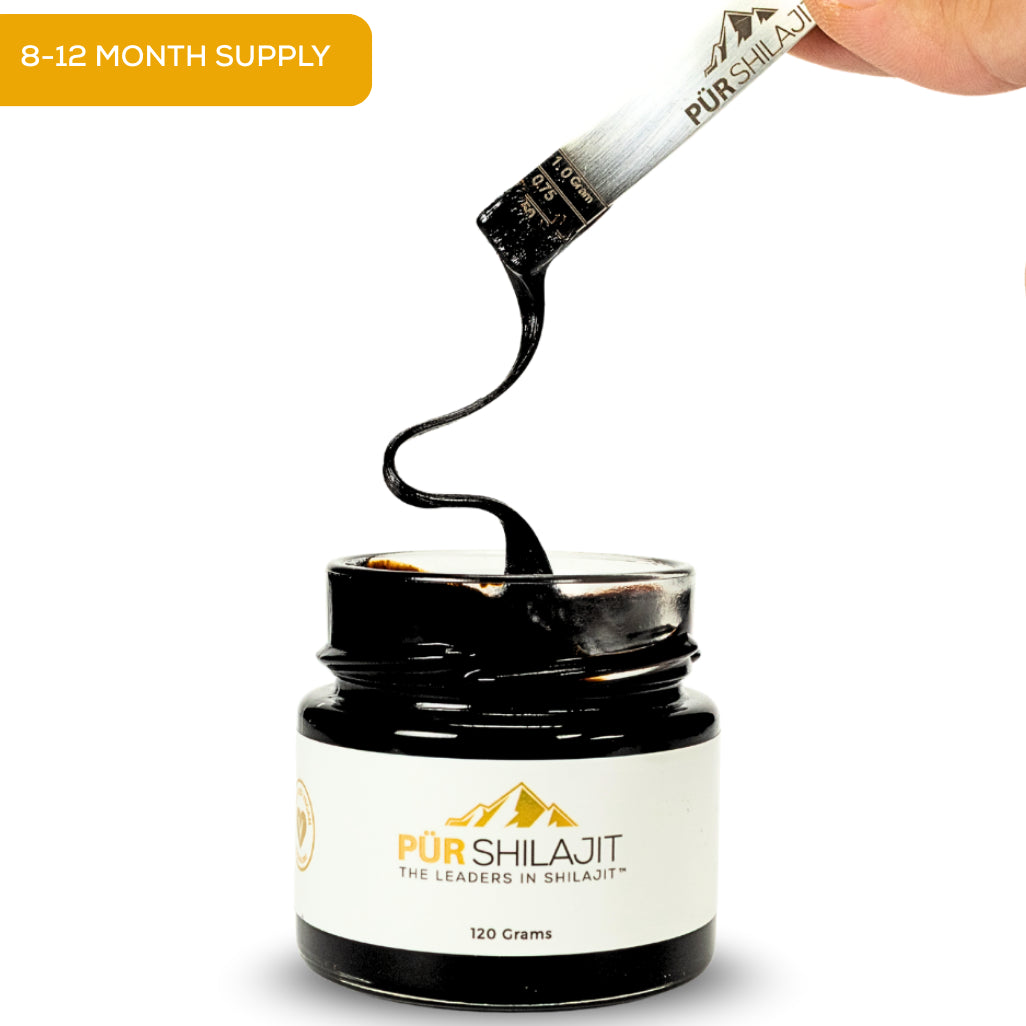
Shilajit isn't grown at all. It forms over centuries as plant matter breaks down under pressure in high mountain rock, then seeps out as a dark resin. Ours is single-source from the Altai Mountains, hand-harvested around 14,000 feet and never below 13,500.
2. What's actually in it
Ginger's signature is its bite. That heat comes from aromatic compounds called gingerols; drying ginger converts some of them into shogaols, which is why dried and fresh ginger taste a little different.
Shilajit's signature is mineral, not spice. It naturally contains fulvic acid and 84+ trace minerals. No heat, no aroma to speak of, just an earthy, slightly bitter taste. But that's only half of it.
3. Serving size: milligrams vs. slices
A daily serving of shilajit resin is small: 300 to 500 mg, about the size of a pea. Tablets make it pre-measured at 2 tablets (0.4 g) a day.
Ginger has no single serving. A recipe calls for a thumb-sized knob, a tea bag holds what the box says, and powders and capsules list their amount per the label. Same plant, very different numbers depending on the format.
| Shilajit | Ginger | |
|---|---|---|
| What it is | Mineral resin from mountain rock | Rhizome of a tropical plant |
| Known for | Fulvic acid, 84+ trace minerals | Gingerols and shogaols (the spicy bite) |
| Daily amount | 300 to 500 mg resin, or 2 tablets | Varies by format, per the label |
| Taste | Earthy, slightly bitter | Spicy, warming, bright |
| Main formats | Resin, tablets | Fresh root, powder, tea, chews, shots, capsules |
4. How you take it
Shilajit resin dissolves in warm, not boiling, water, tea or coffee. Real resin hardens in the cold and softens with warmth, so a cold glass is the wrong place to start.
Ginger is the more flexible of the two: grated into food, steeped as tea, chewed as candy or knocked back as a shot. That flexibility is exactly why the label matters so much.
5. What to check on the label
This is the one people skip. Ginger shots and drinks are often a blend: ginger juice plus lemon, apple or other juices, and sometimes added sugar. Turn the bottle over and check where ginger sits in the ingredient list, whether the amount is stated, and how many grams of added sugar come along for the ride.
For shilajit, the check is even shorter. The ingredient list should say one thing. Then look for a lab report from an independent lab with a lot number you can match to your jar, and try the 30-second drip test at home.
The Pür proof
We named the company Pür for a reason. Our resin is single-source Altai, hand-harvested around 14,000 feet, sun-dried 70+ days and never purified with heat. No molasses, no water, nothing added: one ingredient. It passes the 30-second upside-down drip test, hardens in the cold and softens with warmth.
Every batch is tested by Eurofins, an independent ISO 17025-accredited lab network, and we publish the reports by lot number. California Prop 65 compliant. Family-owned since 2019, 155,000+ customers, and every order is covered by our 90-day money-back guarantee.
Start with the resin for your morning mug, or grab binder-free tablets if you'd rather skip the spoon. As pür as pure gets.
Quick questions
Can you take shilajit and ginger together? Many people do. A common way is ginger tea that has cooled to warm, with shilajit resin dissolved in a small splash of warm water first and stirred in. Check with your doctor if you're under medical care.
Is shilajit a spice like ginger? No. Ginger is a culinary root; shilajit is a mineral resin from mountain rock, taken in a measured daily serving rather than used to season food.
Does ginger contain the same minerals as shilajit? They're different materials with different profiles. Shilajit is known for fulvic acid and 84+ trace minerals; ginger is known for its aromatic compounds, gingerols and shogaols.
The founder's tip
In the colder months my morning mug is fresh ginger and shilajit. I slice a few coins of ginger, pour hot water over them and walk away for five minutes. While it steeps down to warm, I dissolve my pea-sized bit of resin in two tablespoons of warm water in the bottom of the mug, then pour the ginger tea over it. The resin blends in evenly, the ginger does the talking on taste, and the whole thing takes less time than waiting in a drive-through line.
— Jason Reese, founder
A thank-you for reading this far: add any resin jar and The Spoon to your cart and use code RESINREPORT — the spoon's on me.
These statements have not been evaluated by the Food and Drug Administration. This product is not intended to diagnose, treat, cure, or prevent any disease. Talk to your doctor before starting any supplement if you're pregnant, nursing, or under medical care.

Written by Jason Reese