Shilajit vs. Beef Organ Supplements: 5 Differences (and Whether They Belong in One Routine)
Short answer: Shilajit and beef organ supplements do different jobs. Beef organ capsules are a dried whole food, valued for the vitamins and minerals naturally found in liver, heart and other organs. Shilajit is a mineral-rich resin that forms in mountain rock, valued for its fulvic acid and 84+ trace minerals. They don't replace each other, and many people keep both in the same morning routine.
You already know the ancestral-eating crowd has a point: organ meats are some of the most nutrient-dense foods there are, and most people don't eat them. That's why the capsule version took off. What gets lost in the hype is that "nutrient-dense" doesn't tell you what a supplement actually brings to the table, or what it doesn't.
Stick around for the founder's tip at the bottom; there's a little thank-you waiting there too. No. 4 is the one most people never think to check.
1. One comes from an animal, the other from a mountain
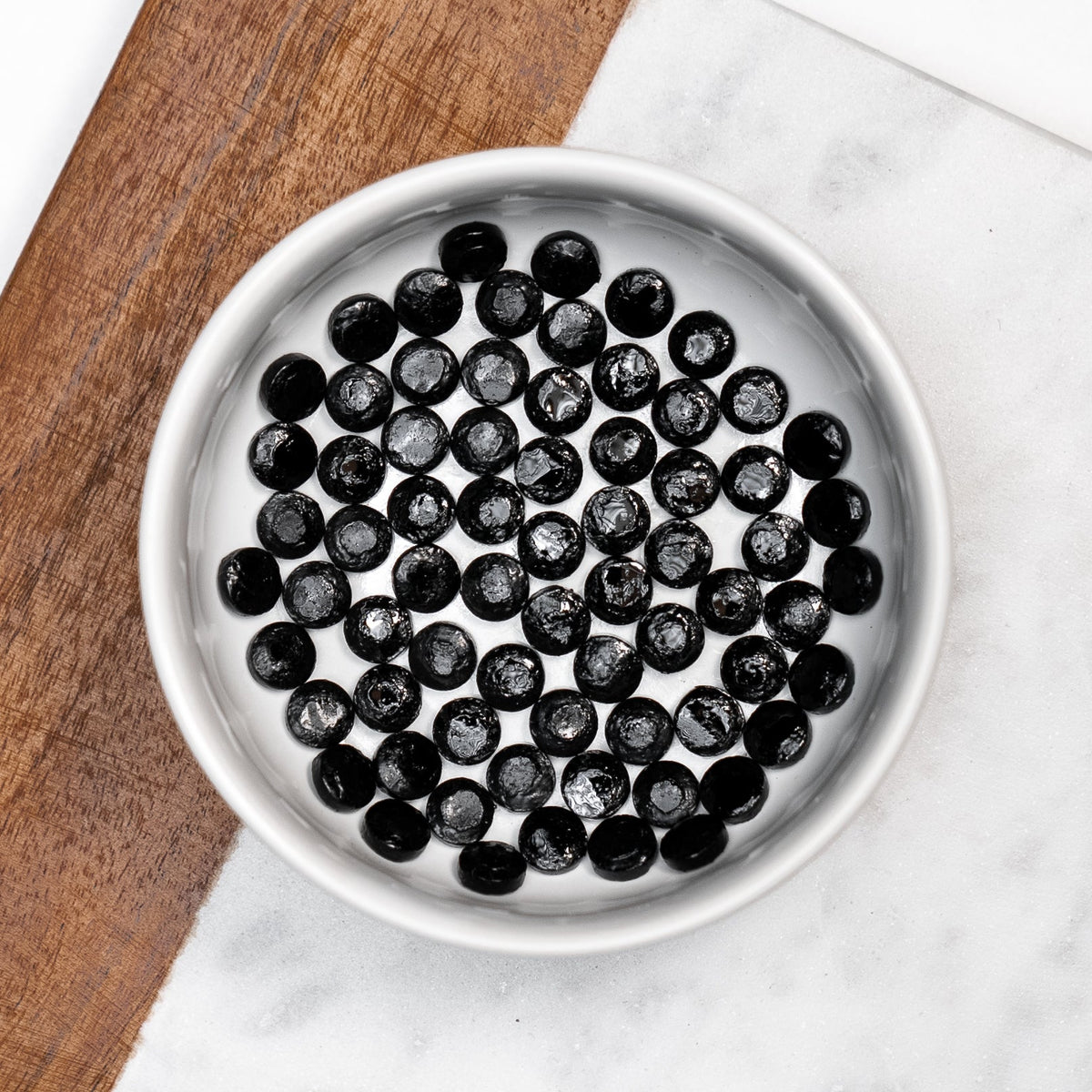
Beef organ supplements are made from organs like liver, heart, kidney and spleen, usually from cattle. The organ is dried, ground and put into capsules.
Shilajit isn't from an animal or a plant you can farm. It's a resin that seeps from high mountain rock over long stretches of time, then gets harvested by hand. Different origin, different category entirely.
2. They bring different things to the table
Beef liver is widely known as a naturally rich food source of vitamin A (as retinol), vitamin B12, iron, copper and folate. Heart is known for naturally occurring CoQ10. Exact amounts vary by product, so go by the label.
Shilajit's profile is different: fulvic acid, humic compounds and a broad spread of trace minerals. Ours carries 84+ trace minerals. It isn't a vitamin source, and it isn't trying to be.
But that's only half of it. The bigger practical difference is how much you actually take.
3. The serving sizes are worlds apart
Organ supplements are a food, so servings tend to be measured in grams and spread across several capsules a day, per the label.
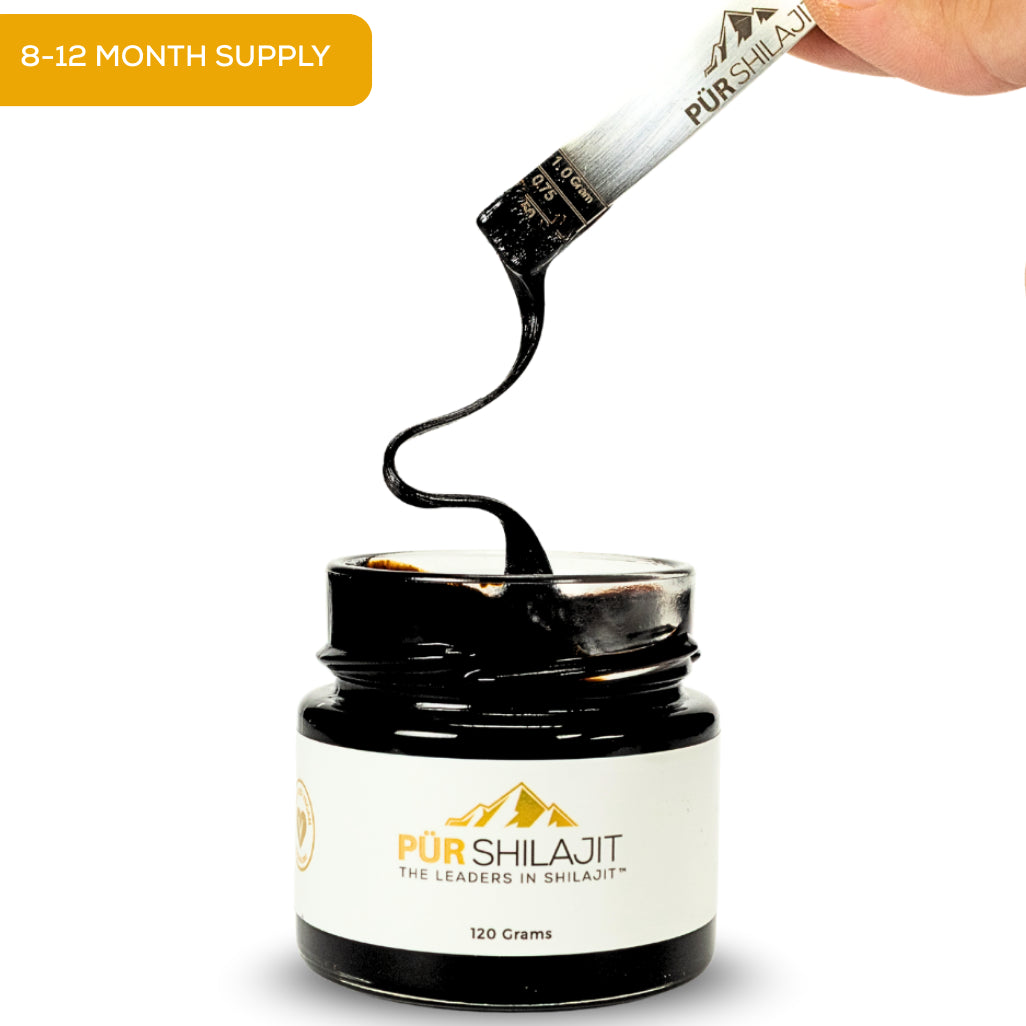
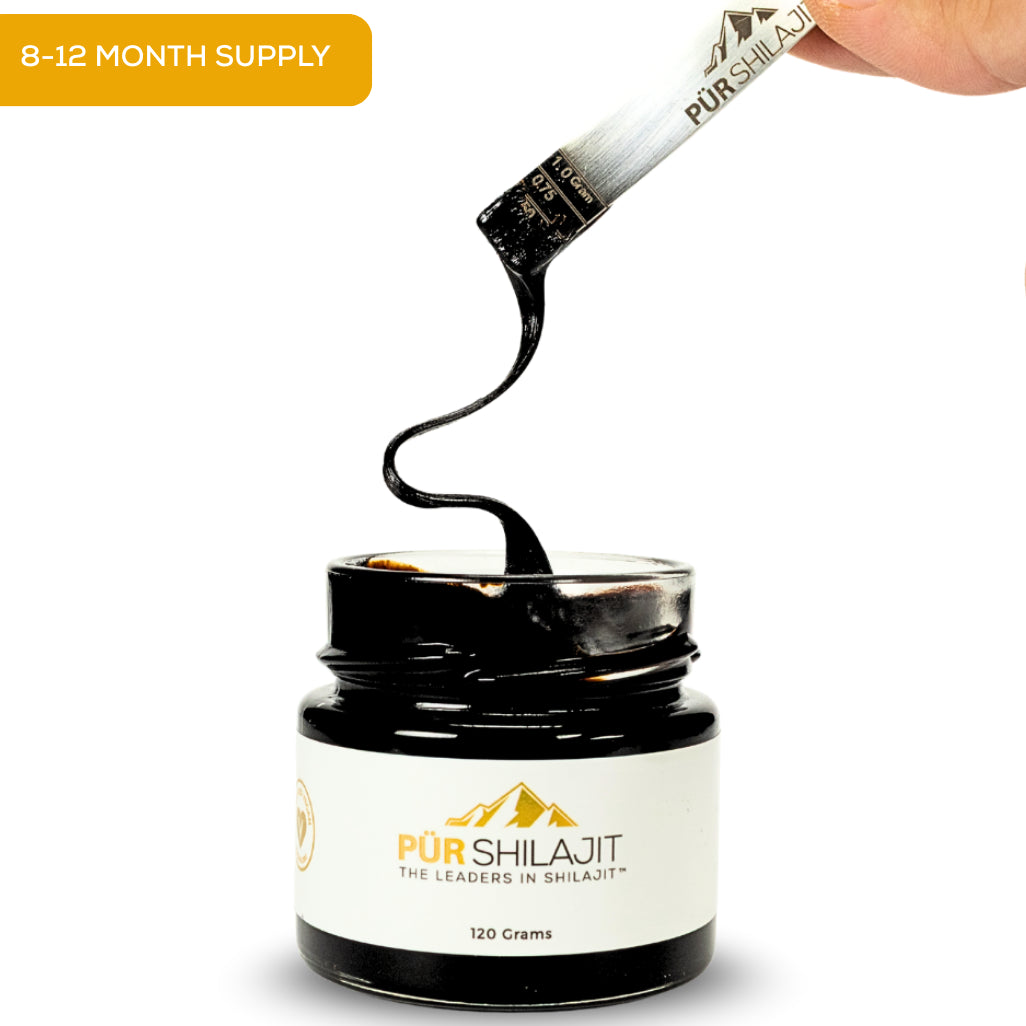
Shilajit resin is taken in a pea-sized amount: 300 to 500 mg, about 0.33 g a day. One small scoop on a spoon, dissolved in something warm. That's the whole serving.
| Beef organ supplements | Pür Shilajit | |
|---|---|---|
| Source | Cattle organs (liver, heart, kidney and others) | Mountain resin, single-source from the Altai |
| Known for | Naturally occurring vitamins and minerals | Fulvic acid and 84+ trace minerals |
| Typical serving | Several capsules a day, per the label | 300 to 500 mg resin (about 0.33 g) |
| Processing | Dried (often freeze-dried), ground, encapsulated | Sun-dried 70+ days, never purified with heat |
| Plant-based option? | No, it's an animal product | Yes: resin, tablets, and vegan Daily Drive caps |
4. Check the vitamin A line before you double up
This is the one people skip. Liver is naturally high in preformed vitamin A, and preformed vitamin A adds up across everything you take.
If you use a liver-based supplement, read the vitamin A amount per serving, then add in any multivitamin or other product that lists it. Shilajit doesn't add to that number, which is one reason the two sit side by side without overlap. If you're unsure where your total lands, that's a good question for your doctor.
5. The label tells you how each was made, if you know what to look for
For an organ supplement, the useful questions are which organs are inside, in what amounts, how it was dried, and whether the capsule adds anything besides the organ itself. Per-serving amounts should be on the label.
For shilajit, the questions are where it was harvested, whether it was heated during purification, what (if anything) was added, and whether you can read a lab report for your exact batch. Our 8-point scorecard walks through all of it.
The Pür proof
We named the company Pür for a reason. Our resin is single-source from the Altai Mountains, hand-harvested around 14,000 feet and never below 13,500. It's sun-dried for 70+ days and never purified with heat. No molasses, no water, nothing added: one ingredient.
It passes the 30-second upside-down drip test, hardens in the cold and softens with warmth. Every batch is tested by Eurofins, an independent ISO 17025-accredited lab network, and the reports are published by lot number. It's California Prop 65 compliant, too.
- Resin: 120 g jar, $209, about $0.57 a day. Or start with the 10 g jar at $34.99.
- Tablets: binder-free, 2 a day (0.4 g). 12 g for $44.99, 24 g for $63.99.
- Daily Drive: 1 vegan cap (500 mg) a day. $44.99 for 30.
Family-owned since 2019, 155,000+ customers, and backed by a 90-day money-back guarantee. As pür as pure gets.
Quick questions
Can you take shilajit and beef organ supplements together? Many people do. They come from different sources and bring different things, so they don't overlap. Follow each label's serving size and check with your doctor if you're under medical care.
Is shilajit an animal product? No. Shilajit is a resin that forms in mountain rock. Our resin, tablets and Daily Drive caps contain no animal ingredients, and the Daily Drive capsule itself is vegan.
Does shilajit contain vitamin A or B12 like beef liver? Shilajit isn't a vitamin source. Its profile is fulvic acid and trace minerals. If vitamins are what you're after, look at the label of a food-based or vitamin product instead.
The founder's tip
If you take organ capsules and shilajit, don't try to remember two separate things. I tell people to pair them: swallow the capsules with breakfast, then dissolve your pea-sized bit of resin in the last few sips of warm coffee or tea. One meal, one mug, done. And if your jar lid ever sticks, run it under hot water for two or three minutes. The resin on the threads softens and it'll twist right off.
— Jason Reese, founder
A thank-you for reading this far: add any resin jar and The Spoon to your cart and use code RESINREPORT — the spoon's on me.
These statements have not been evaluated by the Food and Drug Administration. This product is not intended to diagnose, treat, cure, or prevent any disease. Talk to your doctor before starting any supplement if you're pregnant, nursing, or under medical care.

Written by Jason Reese