Sun-Dried vs. Machine-Dried Shilajit: 5 Differences (and Why We Wait 70+ Days)
Short answer: After raw shilajit is cleaned, the extra water has to come out. Sun-drying does that slowly with ambient sunlight over weeks; machine-drying uses dehydrators, ovens or evaporators to do it much faster at a set temperature. Both can produce a thick resin, so neither label proves quality on its own. What settles it is a seller who tells you how the batch was dried and a lab report you can match to your jar.
You already know the word "natural" is on nearly every shilajit jar. You've probably also noticed that almost none of them tell you what happened between the mountain and the lid. Drying is one of the biggest steps in that gap, and it's the one buyers ask about least.
Stick around for the founder's tip at the bottom; there's a little thank-you waiting there too. No. 5 is the one most people skip.
1. Time: weeks vs. hours
Sun-drying is slow by design. Ours sits for 70+ days before it's ready.
Machine-drying compresses that into a much shorter window, often hours or days depending on the equipment. Faster isn't wrong. It's just a different trade-off, and you deserve to know which one you're buying.
2. Heat: the sun vs. a dial
Sun-dried resin warms and cools with the day. There's no dial to turn up.
Machine-drying runs at whatever temperature the producer sets. That can be gentle or it can be high; the label usually doesn't say. If heat matters to you, the question to ask is simple: what temperature, and for how long?
But that's only half of it.
3. Weather and season
Sun-drying depends on the sky. A cloudy stretch slows everything down, which is why it's usually done in a dry season and in limited batches.
Machines don't care about the weather. That makes year-round production easier, and it's the main reason faster drying is common across the category.
| Question | Sun-dried | Machine-dried |
|---|---|---|
| Energy source | Ambient sunlight | Dehydrator, oven or evaporator |
| Typical time | Weeks to months | Hours to days |
| Temperature | Rises and falls with the day | Set by the producer |
| Weather dependent? | Yes | No |
| Visible in the jar? | Not reliably | Not reliably |
| What to ask | How many days? | What temperature, how long? |
4. What you can and can't feel at home
Here's the honest part: you can't reliably taste or see the drying method in a finished jar.
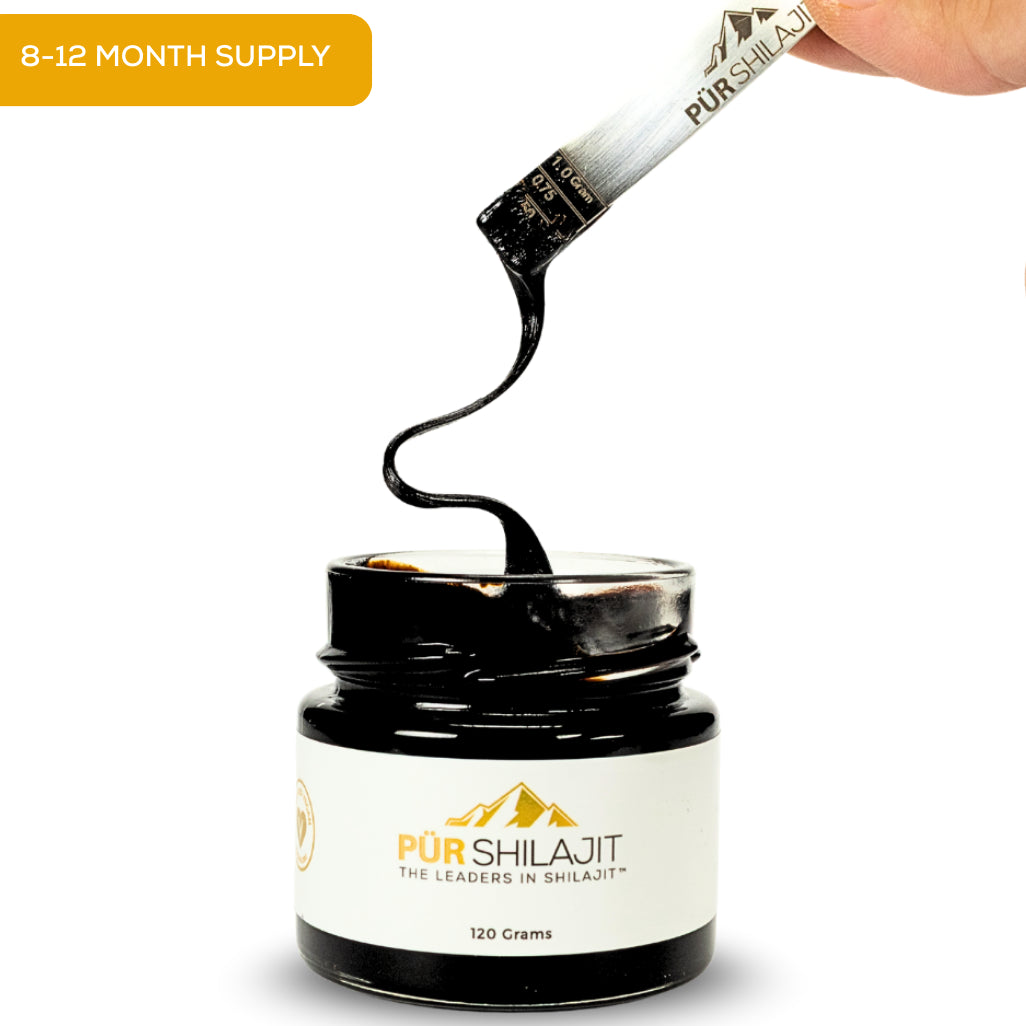
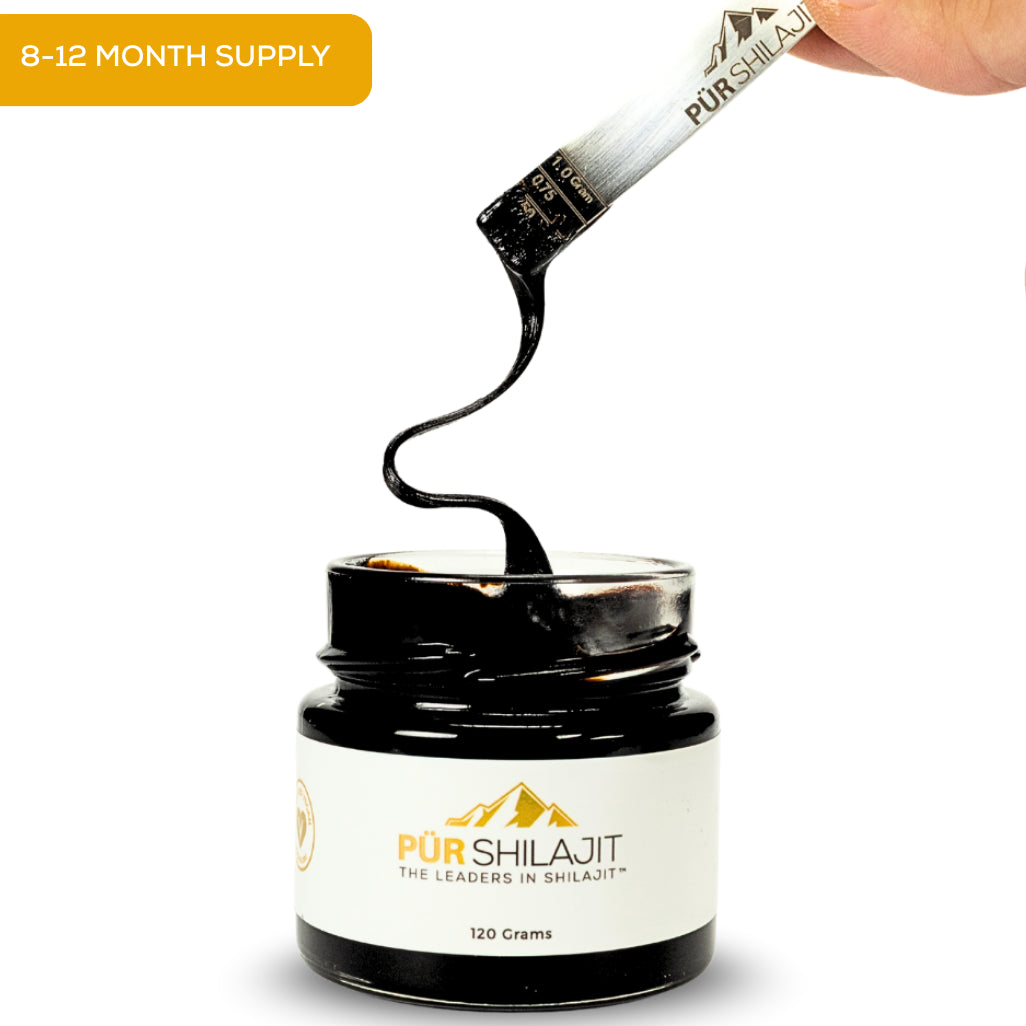
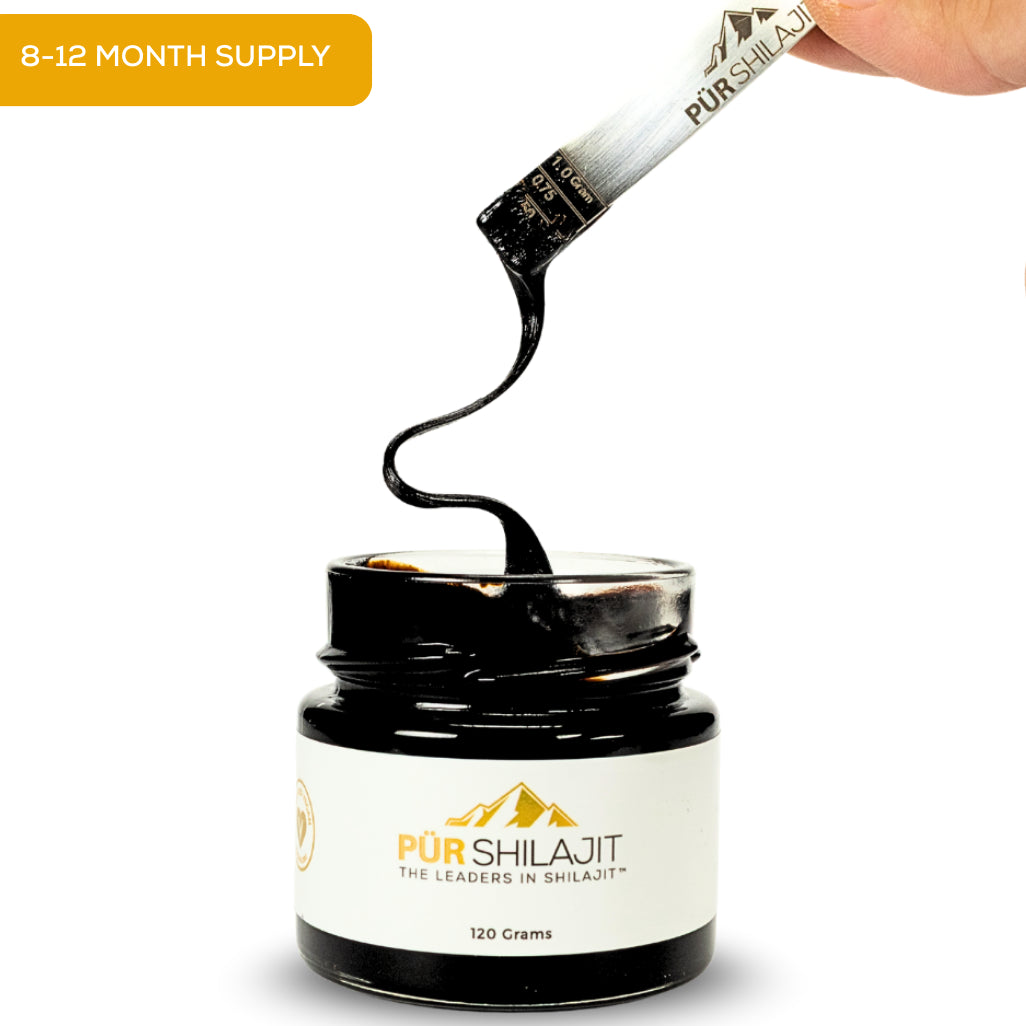
What you can check is the result. Well-made resin is thick and sticky, holds on through the 30-second upside-down drip test, firms up in the cold and softens with warmth. Those checks tell you about texture and added water. They don't tell you whether the sun or a machine did the drying.
5. Disclosure and the lab report
This is the step most people skip. A good seller will tell you how the batch was dried without being chased for it.
Then match the jar to paper: an independent lab report tied to a lot number shows what's in the finished batch. The drying method is a promise; the report is the proof. Ask for both.
The Pür proof
We chose slow on purpose. It's how we keep the process as close to "nothing done to it" as we can:
- Sun-dried 70+ days. Never purified with heat.
- One ingredient. No molasses, no water, nothing added.
- Single source. Altai Mountains, hand-harvested around 14,000 feet, never below 13,500.
- Every batch tested by Eurofins, an independent ISO 17025-accredited lab network, with reports published by lot number. California Prop 65 compliant, 84+ trace minerals.
- Checks you can run yourself: passes the 30-second drip test, hardens in the cold, softens with warmth.
- Backed by a family-owned company since 2019, 155,000+ customers and a 90-day money-back guarantee.
We named the company Pür for a reason. Seventy days in the sun is part of it.
Quick questions
Is sun-dried shilajit better than machine-dried? Not automatically. Both can produce a thick, clean resin. What separates one jar from another is whether the seller discloses the method and publishes a batch lab report you can match to your lot number.
How long is Pür shilajit dried? 70+ days in the sun after cleaning, and never purified with heat. The finished resin is one ingredient, with a typical serving of 300 to 500 mg (about 0.33 g) daily.
Can I tell how shilajit was dried just by looking at it? Not reliably. The drip test and the cold test tell you about texture and added water. For the drying method, ask the seller; for what's inside, read the lab report.
The founder's tip
Slow-dried resin is thick, and in winter it can feel almost like a hockey puck the first time you open the jar. That's not a bad batch, it's just cold. Close the lid, cup the jar in your hands for a minute or run it under hot tap water for 2 to 3 minutes, and it'll soften right up. I keep mine in the kitchen cabinet away from the stove, and I use the same dry spoon every morning so no water sneaks in.
— Jason Reese, founder
A thank-you for reading this far: add any resin jar and The Spoon to your cart and use code RESINREPORT — the spoon's on me.
These statements have not been evaluated by the Food and Drug Administration. This product is not intended to diagnose, treat, cure, or prevent any disease.

Written by Jason Reese