Shilajit vs. Sea Moss: 7 Differences That Decide Which One You Actually Need
Short answer: shilajit and sea moss are both sold as "mineral" supplements, but they're very different things. Shilajit is a mountain rock resin, naturally rich in fulvic acid, taken in tiny amounts (300–500 mg a day). Sea moss is a seaweed, usually eaten as a gel by the tablespoon, and notable for its iodine and fiber. They don't replace each other, and some people take both. The bigger question for either one is the same: can the seller show you a lab report?
You already know your cupboard has at least one trend product in it. The real question isn't which one is better; it's which job you want done. Seven differences are below, and a straight answer on whether to take both.
Stick around for the founder's tip at the bottom; there's a little thank-you waiting there too.
Side by side
| Shilajit | Sea moss | |
|---|---|---|
| What it is | A resin that seeps from high mountain rock | A red seaweed (often Irish moss or Gracilaria) |
| Known for | Fulvic acid and a broad range of trace minerals | Iodine, fiber and a gel texture |
| Typical daily amount | 300–500 mg (pea-sized) | 1–2 tablespoons of gel, or capsules |
| How it's taken | Dissolved in warm water, coffee or tea; or as tablets or capsules | Gel in smoothies, or eaten on its own |
| Taste | Earthy, slightly bitter | Mild, faintly of the ocean |
| Main thing to watch | Purity and dilution — check for a batch lab report | Iodine content varies widely by species and harvest area; seaweed can also absorb metals from seawater |
| Storage | Cool, dry cupboard; lasts years sealed | Gel needs refrigeration and lasts a few weeks |
Which one fits your routine?
- Want a small, daily ritual that fits in your morning coffee? Shilajit.
- Already make smoothies and want to add a whole-food seaweed? Sea moss.
- Watching your iodine intake, or have a thyroid condition? Talk to your doctor before starting sea moss, because iodine levels are hard to predict from one batch to the next.
Can you take shilajit and sea moss together?
Many people do, and there's no known reason they can't be part of the same routine. Because both are natural products that draw minerals from their environment, the smartest move is to buy each from a seller that publishes lab results — so you know what you're adding up.
The one thing that matters most for both
Rock and seawater both carry trace metals. That's not a reason to avoid either one; it's a reason to buy from brands that test every batch and show you the numbers. For shilajit, look for a report tied to the lot number on your jar. Our current lot is published in full, tested by Eurofins, an independent ISO 17025-accredited lab network.
The Pür proof
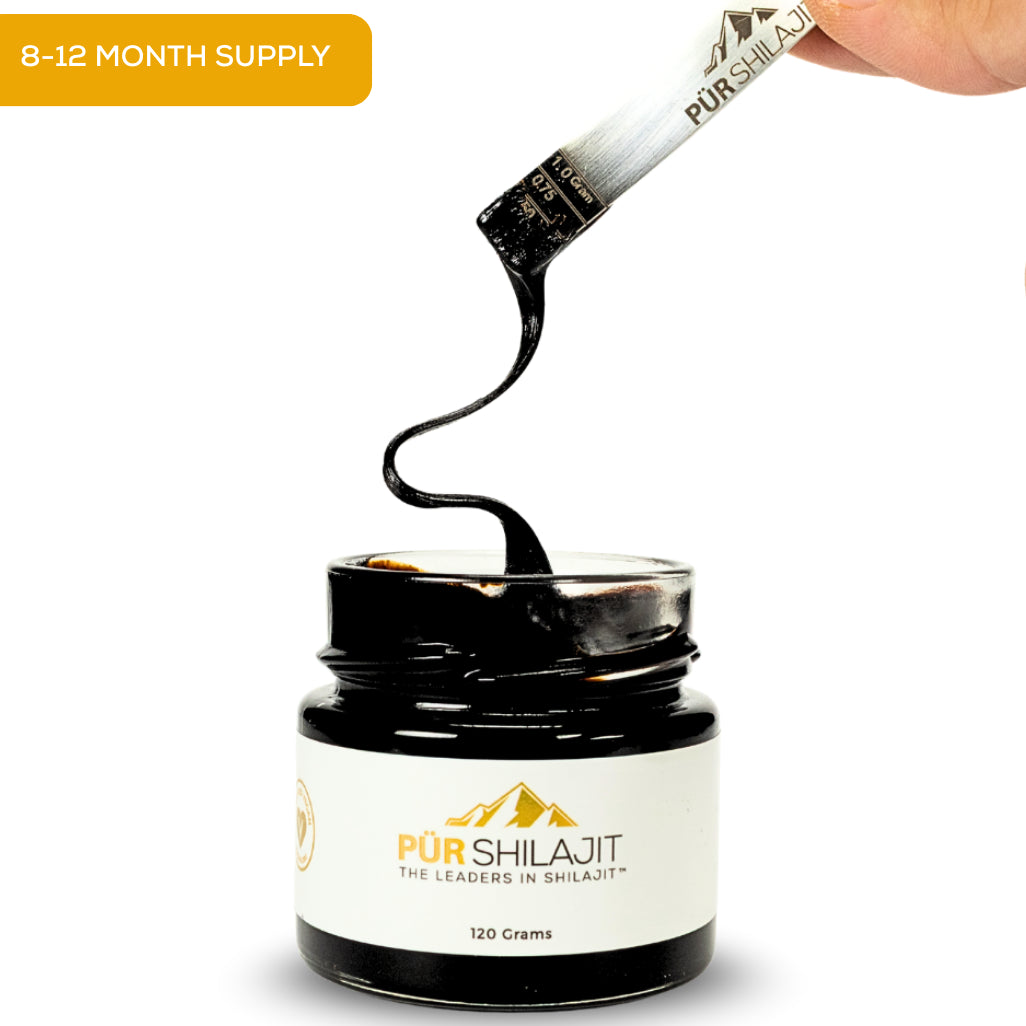
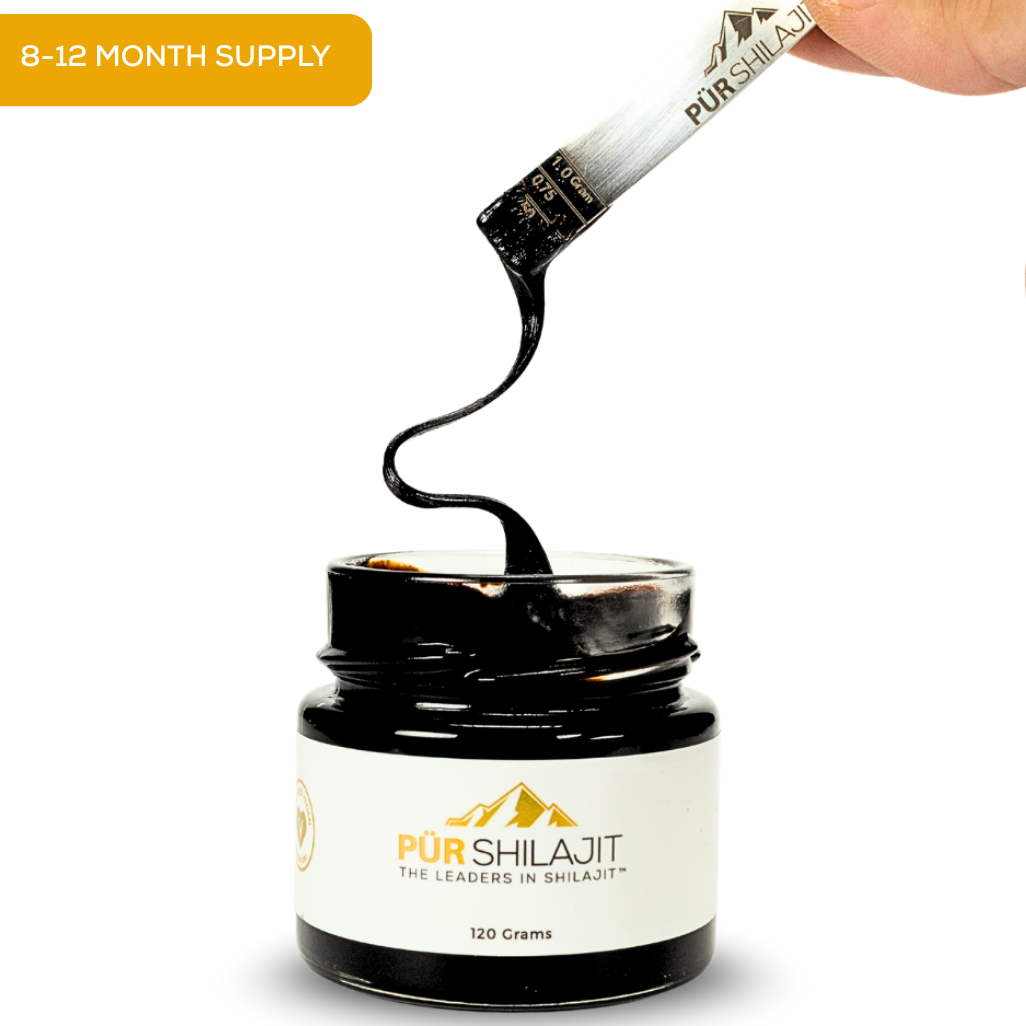
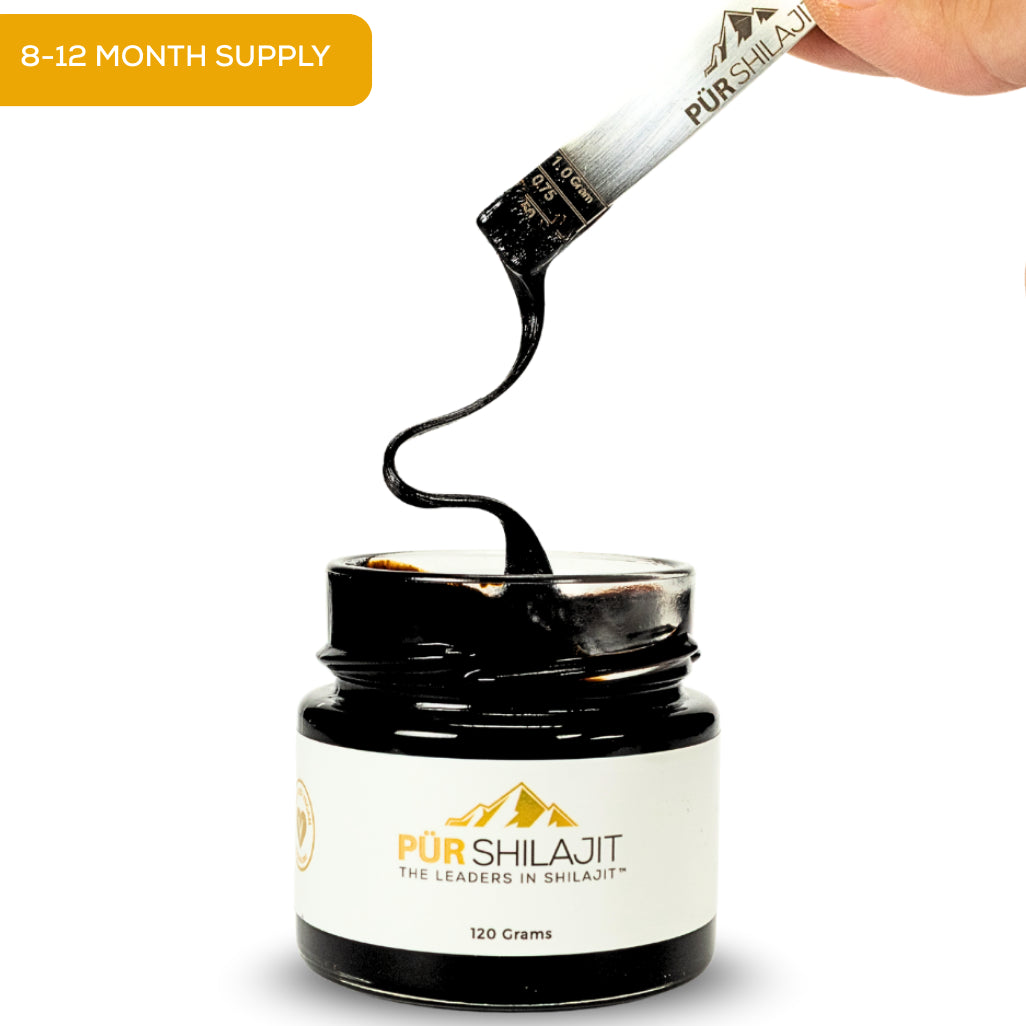
Whichever you choose, check the source. Ours is single-source Altai shilajit resin, hand-harvested around 14,000 feet, sun-dried for 70+ days, never purified with heat and never cut with molasses or water. Every batch is tested by Eurofins, an independent ISO 17025-accredited lab network, and published by lot number. Family-owned since 2019, 155,000+ customers, 90-day money-back guarantee.
Quick questions
Is shilajit better than sea moss? Neither is better across the board. They're different products with different strengths.
Which has more minerals? They contain different mineral profiles, and both vary by source. Compare lab reports, not marketing claims like "92 minerals" or "84 minerals."
Which is easier to take every day? For most people, shilajit — a pea-sized serving, no refrigeration, and it dissolves into a drink you already have.
The founder's tip
If you're adding a second thing to your mornings, add one at a time and give each a couple of weeks. A routine that's easy to keep beats an ambitious stack you drop by Friday. And keep the jar next to the kettle, where you'll see it.
— Jason Reese, founder
A thank-you for reading this far: add any resin jar and The Spoon to your cart and use code RESINREPORT — the spoon's on me.
These statements have not been evaluated by the Food and Drug Administration. This product is not intended to diagnose, treat, cure, or prevent any disease. Talk to your doctor before starting any supplement if you're pregnant, nursing, or under medical care.

Written by Jason Reese